
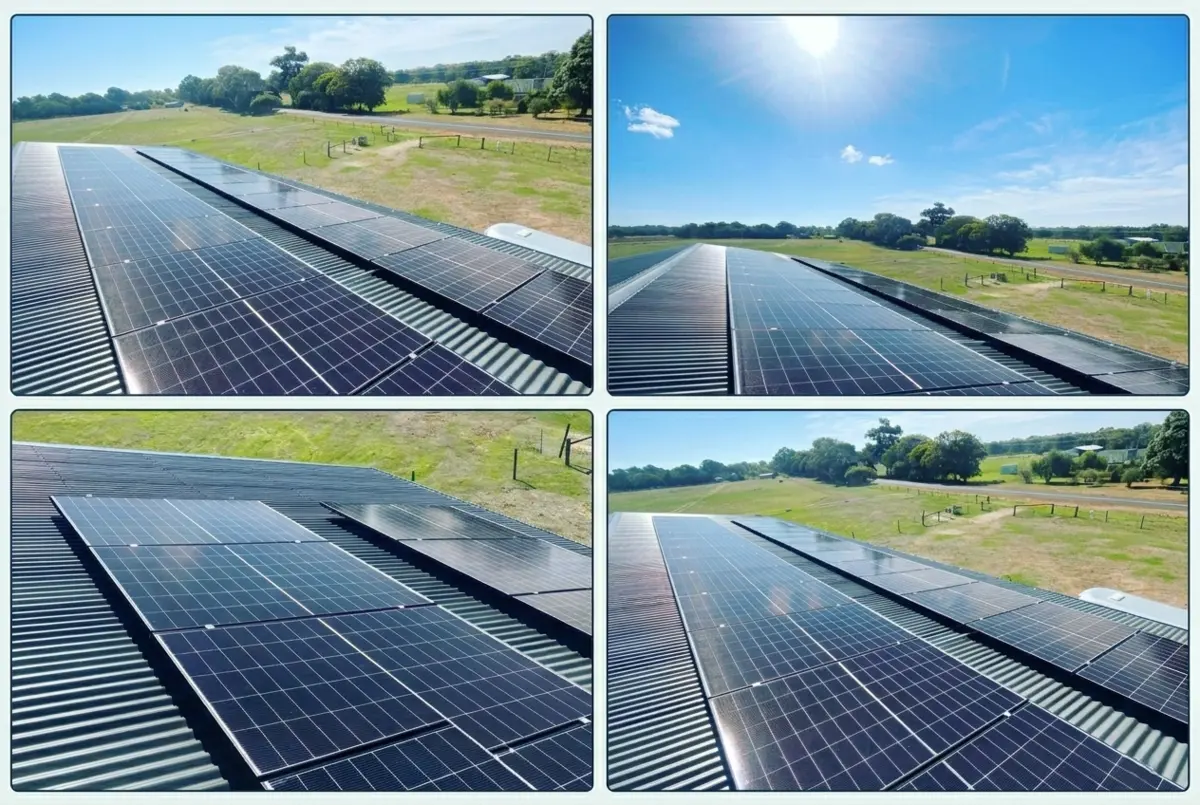
Capel Town gets absolutely baked by the sun year-round, making roof solar a massive no-brainer for slashing household bills. But even the highest-spec setup won’t crank out peak power forever if you just leave it to rot. Heavy dust, bird mess, changing seasons, and basic component wear quietly sap your system’s output without ever throwing an obvious error code on your screen.
Staying on top of a basic Solar Maintenance routine is the only way to safeguard that upfront investment. Keeping the glass clear, checking the wiring, and running regular diagnostic checks significantly bumps your daily generation while stopping minor component glitches from blowing up into devastating repair bills down the track.
For property owners across Capel, keeping a solar system in top condition is not simply about appearance. It is about performance, savings, reliability, and long-term value. A structured maintenance checklist provides a simple way to ensure every component continues operating as intended.
Why Neglected Solar Systems Underperform Unnoticed
One of the more frustrating conversations in the field happens when an owner says the system “seems fine” because no alarms are showing. Unfortunately, solar systems can lose efficiency gradually. Production drops a little here, a little there, and because the decline is incremental, it often escapes attention. By the time somebody compares generation data across multiple years, the financial impact has already accumulated.
A common misconception is that rain automatically cleans panels. Rain helps, but it does not always remove stubborn dirt, bird droppings, pollen deposits, or coastal residue. On several inspections, panels looked reasonably clean from ground level but showed visible build-up when viewed closely- proving that even a Professional Solar Panel Installation requires ongoing, close-up maintenance to sustain peak efficiency.
The financial side becomes interesting when calculating opportunity cost. A system generating even a few per cent less electricity each year may quietly surrender hundreds of dollars in savings. Over a decade, that figure becomes substantial. Solar Maintenance is often viewed as an expense when it is better understood as protecting an existing investment.
How Capel Weather Impacts Solar System Longevity
Local conditions matter more than many installation brochures suggest. Capel benefits from excellent solar resources, but environmental exposure creates challenges that become visible over time. Dust, airborne particles and occasional salt residue can affect panel surfaces. Effective Solar Maintenance takes local conditions into account rather than relying on generic schedules.
Once a heavy South West gale blows through, fine dirt and debris settle completely unevenly across your roof array. You’ll get one string of panels looking pristine while the bottom edge of another is caked in mud. That uneven shading destroys your string efficiency, which is a major bottleneck even for Smart Commercial Solar Power Systems that otherwise monitor performance in real time, especially since rain usually just turns dry dust into a sticky, baked-on film rather than washing it clean.
Seasonal shifts create additional variables. Winter cloud cover makes every available unit of generation more valuable, while summer heat can affect inverter operating conditions. Trees that seemed harmless during installation may begin creating partial shading several years later. Good Solar Maintenance accounts for changing surroundings instead of focusing only on the equipment itself. A solar system operates within an environment, not in isolation from it.
Solar Maintenance Costs vs Long-Term Savings
| Maintenance Activity | Potential Benefit |
| Panel cleaning | Improved output |
| Inverter inspection | Reduced downtime |
| Efficiency testing | Better performance |
| Wiring checks | Improved safety |
| Professional servicing | Extended lifespan |
Solar Maintenance That Prevents Costly Efficiency Losses
The biggest mistake people make is waiting for the whole system to die before calling a sparkie. Out in the field, we see the exact opposite: preventative checks are infinitely cheaper than emergency breakdowns.
During a routine look over the roof, we constantly catch loose racking bolts, dry leaves building up underneath, and cracked conduit. They aren’t dramatic fixes, but ignoring them is a fast track to a complete system failure. Routine Solar Maintenance eliminates that gamble.
Another practical benefit involves warranty support. Manufacturers generally expect systems to receive reasonable care throughout their service life. When records show regular inspections and servicing, navigating a Solar Panel System Cost & Installation Guide for troubleshooting and diagnosing warranty claims becomes far more straightforward, whereas lacking documentation can make discussions slower and more complicated.
Cost recovery is often overlooked as well. A system producing below expected capacity can quietly erode financial returns. Homeowners usually focus on upfront installation costs, but long-term performance determines actual value. Spending modest amounts on Solar Maintenance can preserve production levels that would otherwise decline. The difference may not be dramatic in a single month, yet across many years it becomes meaningful.
Why Rain Alone Is Not Enough for Solar Panels
Rain does remove some dirt. That statement is technically correct. Unfortunately, it has also encouraged many owners to assume cleaning is unnecessary. Site visits often reveal stubborn grime, bird droppings, and residue that rainfall never fully removes.
The assumption that nature handles everything is one of the more persistent myths surrounding solar ownership. Thoughtful Solar Maintenance recognises the limits of natural cleaning.
There’s no one-size-fits-all timeline for scheduling a solar panel cleaning job. A property sitting right next to an open Capel paddock gets absolutely hammered by fine topsoil dust compared to a house tucked away in a clean suburban street. If your roof is under a local bird flight path, you’ll need regular attention. Generic online advice doesn’t work; a good tech looks at the actual glass condition, not just the calendar.
You also have to avoid over-servicing the gear. Dragging hoses onto a roof every few weeks and using aggressive chemicals or coarse brushes can actually scratch the anti-reflective coating on the glass. Worse, blasting freezing water onto scorching hot panels in the middle of a 38-degree summer day can instantly shatter the tempered glass. Smart care is about sensible, calculated intervention, not fussing over it for the sake of it.
Why Inverter Performance Matters More Than You Think
Everyone stares at the panels because they’re visible on the tin, but they completely ignore the inverter box humming on the wall.
When we get called out for low generation, the inverter is the culprit ninety per cent of the time. You can have spotless glass on your roof, but if your inverter is clipping or failing to track efficiently, your power yields will be garbage. Real upkeep means testing the brains of the system, not just rinsing the glass.
Internal heat is the absolute number one killer of solar electronics. Inverters bolted into unventilated garages, tight broom closets, or directly onto blistering west-facing walls undergo immense thermal stress. When the box gets too hot, it automatically throttles its own output to protect itself, making proactive Solar Maintenance and strategic placement essential to prevent system derating and premature component failure.
Homeowners often panic and think their entire investment is dead when an old inverter finally gives up the ghost. The reality is way more encouraging. Components wear out at completely different rates. Swapping a tired, out-of-warranty inverter for a modern smart unit breathes brand-new life into an older, perfectly healthy panel array, keeping the system pumping out cheap power for another decade.
Common Solar Maintenance Mistakes That Cost More
A recurring pattern appears across many service callouts. Someone notices a minor issue, decides it can wait, and eventually faces a more expensive repair.
Delays are understandable. Life becomes busy. Solar systems sit out of sight and often out of mind. Yet postponing basic Solar Maintenance rarely improves the situation. Small concerns have a habit of becoming larger concerns when ignored long enough.
Another assumption involves visual appearance. If panels look clean from ground level, many owners conclude everything is operating correctly. Appearance and performance do not always align. Electrical faults, connection issues, and inverter irregularities may exist without any visible clues, which is why relying exclusively on visual checks leaves gaps in your solar energy and renewable power solutions that can persist for months or years.
The financial impact of these assumptions varies. Sometimes the result is modest production loss. In other cases, delayed attention contributes to avoidable component replacement costs. Good Solar Maintenance is not merely a technical exercise; it is also a form of asset management. The same principle applies to vehicles, buildings, and machinery. Assets that receive periodic attention generally perform better over time.
The Future of Solar Maintenance Technology
Modern systems increasingly include the following:
- Smart monitoring platforms
- Mobile performance alerts
- Remote diagnostics
- Predictive maintenance tools
- AI-driven efficiency tracking
These innovations make Solar Maintenance more proactive than reactive.
Balancing Solar Maintenance Costs and Energy Savings
It’s completely understandable that people hesitate over the immediate cost of a trade visit, especially with the current squeeze on everyday living expenses.
The trap is only looking at the invoice today while ignoring what a degraded system costs you every single month in hidden grid costs. Smart upkeep is about measuring the balance between a minor service cost and massive, recovered power generation.
In practice, some systems need very little intervention while others require more frequent attention. Environmental exposure, equipment age, and installation quality all influence outcomes. Broad recommendations can be useful starting points, but they rarely capture every circumstance. Experienced property owners tend to evaluate maintenance spending against measurable production results rather than treating it as a fixed expense.
What Technicians Spot Before Solar Owners Do
When you spend every single day troubleshooting Capel solar setups, you start spotting structural patterns instantly.
A qualified tech will pick up on tiny voltage drops across a string, minor galvanic corrosion on the racking, or weird startup delays on the inverter long before the homeowner notices a single dip in power. Catching those micro-symptoms early keeps your roof safe and operational.
One observation that stands out is how differently systems age despite appearing similar at installation. Two neighbouring properties may install comparable equipment in the same year and experience very different outcomes. Exposure conditions, cleaning habits and proactive Solar Maintenance history all contribute to this gap; the differences are rarely dramatic at first, but they become clearer over time.
The most ignored part of keeping a system healthy is simple consistency. A one-off check is handy, but having a running history of your system’s performance over the years is gold. It lets us track gradual panel degradation, recurring voltage drops, and baseline shifts. Those long-term trends tell us a definitive story about how proactive Solar Maintenance keeps your setup running smoothly, a big-picture view that a single snapshot test completely misses.
Looking Beyond Panels to Assess System Health
Solar discussions frequently focus on panel efficiency percentages, yet overall system health depends on many interconnected parts. Mounting structures, cabling, isolators, monitoring systems, and inverters all contribute to outcomes.
Strong panel performance alone does not guarantee strong system performance. Comprehensive Solar Maintenance looks at the entire installation rather than one component.
When we run a comprehensive solar system safety inspection, we look at way more than just live electrical current. We’re physically checking for loose mid-clamps, rusted roof brackets, and compromised flashing around your roof penetrations. These mechanical issues don’t show up on a phone app, but ignoring them just because the inverter light is green is a fast track to a ceiling leak during the next big winter storm.
The most effective maintenance mindset treats a solar system as a long-term infrastructure asset. That perspective changes decision-making. Instead of reacting only when production falls, owners focus on preserving reliability, safety, and financial performance simultaneously. Consistent Solar Maintenance supports all three goals and generally produces fewer unpleasant surprises along the way.
Conclusion
A reliable solar system delivers its best results when supported by consistent care. Dust, debris, weather exposure, shading, and component wear can all affect performance over time. A structured solar maintenance plan helps protect efficiency, maximise energy production, and extend system lifespan.
Every kilowatt generated efficiently contributes to stronger savings and better long-term value. Regular inspections, panel cleaning, and efficiency checks form the foundation of effective care. Book Your Solar Maintenance Inspection Today, and get a tailored maintenance plan.
Frequently Asked Questions
1. How often does Solar Maintenance need to be carried out in Capel?
Giving your inverter a quick glance once a month and getting a pro out once a year is the smartest way to manage your gear. Capel’s mix of salty coastal air and heavy seasonal dust means your roof takes a beating compared to metro blocks. Sticking to a tight Solar Maintenance routine locks in your generation efficiency and catches minor component faults before they drop your system’s reliability.
2. Why is Capel solar panel maintenance important for saving energy?
Booking dedicated Solar Panel Maintenance Chapel-wide strips away the baked-on grime, bird droppings, and pollen that choke out your sunlight absorption. Clear glass means your cells actually dump full power into your house, letting the system run at its true nameplate capacity. Regular checks catch these drops before they quietly blow out your Synergy bill.
3. What is a solar system efficiency check?
A proper, comprehensive solar system safety inspection covers string voltage testing, inverter load analysis, roof racking checks, and a full wiring audit. We match your real-time generation data against what your system should be producing based on the day’s peak sun. That’s how we flag hidden issues like failing bypass diodes or micro-cracks in the cells.
4. How critical is solar inverter maintenance?
You have to look after the solar inverter, it’s the absolute workhorse doing the heavy lifting of converting raw DC roof power into usable house AC current. Your panels can be pristine, but if your inverter is overheating or clipping its cycles, your output tanks. Getting it tested catches early component wear before the whole box cuts out during a heatwave.
5. When should solar panel servicing be scheduled in Capel?
Wondering how often to book a solar panel service down here? A solid annual check is the standard baseline, but if you’re coping with heavy agricultural dust or salt spray from the coast, you’ll want the glass rinsed more regularly. A professional service isn’t just a quick wash- it’s an electrical health check that guarantees the setup runs safely and efficiently year after year.
6. What are the advantages of professional solar system maintenance services in Capel, WA?
Investing in proper solar system maintenance in Capel, WA, gives you qualified electrical testing, deep thermal scanning, and preventative trade care. A basic look from the ground won’t show a corroded DC isolator or a frayed cable underneath the rail, but an experienced tech will catch it. Regular servicing maximises your generation and keeps your roof completely safe.