
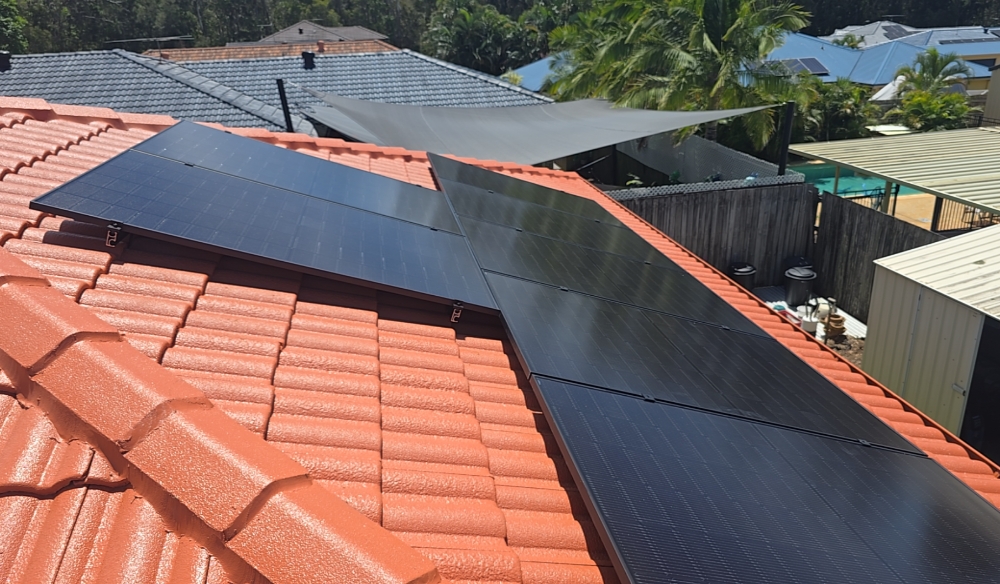
Choosing home solar installation can be a practical way for Capel households to make better use of renewable energy while reducing their reliance on electricity from the grid. With suitable roof space, sensible system sizing and good household energy habits, solar panels can generate electricity during daylight hours and potentially lower ongoing power costs.
For homeowners considering home solar installation, the important question is not simply whether solar panels produce electricity. The real consideration is how well a system matches the property’s energy consumption, roof characteristics, budget and future electricity needs.
Capel homes can have different roof designs, household sizes and electricity-use patterns, so there is no single system that works equally well for every property. Understanding the benefits and practical considerations can help homeowners make a more informed decision.
Why Are More Capel Homeowners Considering Home Solar Installation?
The basic idea behind home solar installation is quite simple. Solar panels are fitted to a suitable part of the roof and use sunlight to produce electricity. An inverter then converts that electricity into a form that can be used by household appliances.
When the panels are producing electricity, the home can use that generation first. If more electricity is produced than the household needs at that moment, the surplus may be sent to the electricity grid, depending on the system and connection arrangements.
This can make solar particularly useful for households that regularly use electricity during daylight hours. Appliances such as washing machines, dishwashers, pool equipment and air conditioning can all contribute to daytime electricity demand.
The Australian Government recognizes rooftop solar as one way households can reduce their electricity purchases from the grid and lower the emissions associated with household energy use.
What Are the Main Benefits of Home Solar Installation?
The financial side tends to get most of the attention, but there are several reasons homeowners look at solar. The value of home solar installation comes from the way a system fits into everyday household energy use.
Lower electricity purchases
Solar electricity can be used as it is generated, which means less electricity may need to be purchased from the grid during those hours.
The amount saved will vary considerably between homes. A large family with substantial daytime electricity use may get a different result from a smaller household with low consumption.
It is therefore better to look at actual electricity bills and usage patterns rather than assume a particular solar system will produce a certain level of savings.
Making use of daytime sunlight
A roof receives sunlight whether or not a home has solar panels. Installing panels allows some of that available energy to be turned into usable electricity.
This is one of the straightforward advantages of home solar installation. Instead of relying entirely on electricity supplied through the grid, a household can generate some of its own power.
The amount generated changes throughout the day and across the year, so solar should be viewed as part of the home’s overall energy supply rather than a constant source of electricity.
Greater control over household energy
There is also a practical benefit that is sometimes overlooked. Generating electricity at home gives residents more control over where some of their energy comes from.
Households can change when certain appliances operate so that more electricity is consumed while solar generation is available. Even small changes to daily routines can make a difference to how much generated electricity is used inside the home.
For homeowners considering home solar installation, this is worth thinking about before choosing a system. The best setup is not necessarily the biggest one. It is the one that makes sense for the property’s electricity requirements.
Potential long-term savings
Electricity prices and household energy requirements can change over time. Solar does not remove electricity costs altogether, but generating some electricity at home can reduce reliance on grid electricity.
The potential financial benefit depends on the cost of the system, electricity consumption, electricity tariffs, solar generation and the treatment of excess electricity exported to the grid.
That makes home solar installation a long-term decision rather than simply a purchase based on today’s electricity bill.
A cleaner source of household electricity
Solar panels generate electricity without directly burning fuel while they are operating. For households wanting to reduce their reliance on conventional electricity generation, solar can form part of a broader approach to reducing household emissions.
It can also sit alongside other measures, such as improving insulation, choosing efficient appliances and managing heating and cooling more carefully.
What Should You Check Before Home Solar Installation?
The roof is obviously important, but it is not the only thing that needs attention.
A solar assessment should look at how much usable roof area is available and whether trees, nearby buildings, chimneys or other structures are likely to cast shadows across the panels. Roof orientation and pitch can also influence the amount of sunlight available.
Household electricity use is just as important. Looking at several electricity bills can give a better picture of how much power the property actually consumes.
Future changes should be considered as well. Someone planning to buy an electric vehicle, install electric hot water, add air conditioning or build an extension may have higher electricity demand later.
The Australian Government’s Solar Consumer Guide is a useful independent resource for homeowners comparing solar systems, installation considerations, costs and battery storage.
Which Factors Can Affect a Solar System’s Performance?
There is no single figure that tells a homeowner exactly how much electricity a solar system will generate.
Factor | What it can mean for a Capel home |
| Roof orientation | Affects how much sunlight panels receive throughout the day |
Roof space | Determines how many panels can be accommodated |
| Shading | Trees and nearby structures can reduce generation |
System size | Influences how much electricity can be generated |
| Household usage | Determines how much solar electricity can be used directly |
Inverter selection | Affects how generated electricity is converted and managed |
| Weather | Cloud and seasonal conditions influence daily generation |
Future electricity demand | New appliances or an electric vehicle may increase consumption |
| Battery storage | Can allow surplus generation to be stored for later use |
Installation quality | Poor installation can affect safety and long-term performance |
These details explain why two homes next door to each other can have quite different solar requirements.
A good home solar installation should take the individual property into account rather than relying on a standard package.
How Does Solar Power Fit Into Everyday Life?
Solar works best when homeowners understand when their system is producing electricity.
For example, a household might have plenty of solar generation around the middle of the day but relatively little electricity demand at that time. In the evening, the situation reverses. People return home, cook dinner, use lighting and run appliances just as solar production is falling.
This is where household habits become relevant.
Running suitable appliances during daylight hours can increase the amount of solar electricity consumed directly. A battery can provide another option by storing some excess generation for later use.
However, a battery is not automatically necessary. Its usefulness depends on the household’s electricity pattern, system size, battery cost and how much surplus solar power would otherwise be exported.
This is why home solar installation and battery storage should be considered separately rather than assuming every solar household needs both.
Can Home Solar Installation Be Useful for Different Types of Homes?
Solar is not limited to one particular type of household.
A small home may have modest electricity demand and limited roof space. A larger family home may consume considerably more electricity, particularly if it uses air conditioning, electric hot water or other high-energy appliances.
Homes also change over time. A property that currently has two residents may eventually have a larger household. Likewise, an older home may gradually replace gas appliances with electric alternatives.
Thinking about these changes can make home solar installation more useful in the long run.
The system still needs to be sized sensibly. Installing more capacity than a household can reasonably use is not automatically the best financial decision, particularly where much of the electricity would be exported.
What About Solar Panel Maintenance?
Solar panels do not require constant attention, but homeowners should still keep an eye on system performance.
A sudden reduction in generation may indicate a problem that needs investigation. Heavy dirt, new shading, damaged panels, inverter faults or electrical issues can all affect output.
It is also sensible to keep records of the system, including product information, warranties and installation documents.
During home solar installation, homeowners should make sure they understand what equipment has been installed and what documentation they should retain. This can make future troubleshooting and warranty enquiries much easier.
Is Home Solar Installation Right for Every Capel Property?
Solar can be a good fit for many homes, but it should not be treated as an automatic solution.
A property with substantial shading or very little suitable roof space may have different considerations. Likewise, a household with extremely low electricity use may need a different approach from a large family with high daytime consumption.
The cost of the system also matters. Homeowners should look beyond the headline price and consider the equipment, installation, warranties, expected generation and ongoing requirements.
For anyone considering home solar installation, comparing several options and understanding the assumptions behind projected savings is more useful than relying on a single sales estimate.
How Can Homeowners Get More From Their Solar System?
Once the system is operating, everyday electricity habits can influence its usefulness.
Checking the inverter or monitoring platform can show when solar production is highest. Over time, homeowners may notice patterns in generation and household consumption.
That information can help with decisions about when to run appliances, whether battery storage might make sense and whether electricity use could be reduced elsewhere.
Energy efficiency matters too. A home that uses less electricity does not necessarily need to generate as much to meet its needs.
This makes home solar installation one part of a larger household energy strategy rather than a standalone answer to every energy problem.
Conclusion
The benefits of home solar installation for Capel homes can include lower grid electricity use, greater use of renewable energy and potentially better control over long-term household energy costs. The actual results, however, depend on the property, the system design and the way electricity is used.
There is no need to choose a system simply because it is the largest or cheapest option available. Looking carefully at roof conditions, household consumption, future plans and available equipment can lead to a more practical decision.
If you are considering home solar installation for your Capel home, contact Boots Energy to discuss your requirements and explore a suitable solar solution for your property.
Frequently Asked Questions
1. Is home solar installation suitable for homes in Capel?
It can be suitable for many Capel properties, particularly where there is adequate unshaded roof space. Household electricity use and the property’s physical conditions should be assessed before selecting a system.
2. How much can home solar installation reduce electricity bills?
There is no fixed savings for every household. Results depend on system capacity, electricity consumption, solar generation, electricity tariffs and how much generated electricity is used directly.
3. Do solar panels work when the weather is cloudy?
Yes. Solar panels can still generate electricity under cloudy conditions, although their output is generally lower than during periods of stronger sunlight.
4. Is a battery necessary with home solar installation?
No. A battery can be useful for storing surplus electricity for later use, but whether it provides good value depends on the household’s electricity consumption, solar generation and battery costs.
5. How long does a residential solar system last?
Solar systems are designed for long-term operation. The Australian Government notes that rooftop solar systems can last 20 years or more, although individual components can have different expected lifespans and warranties.