
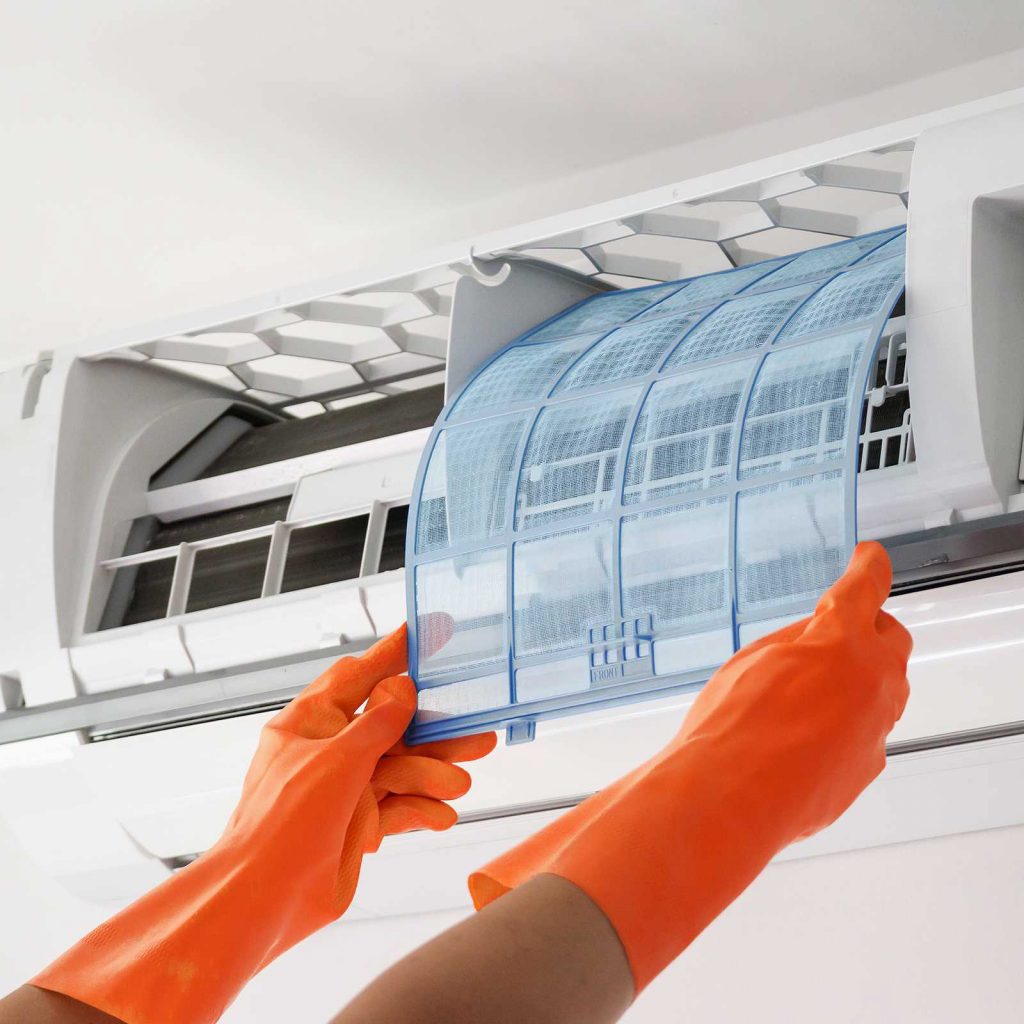
An air conditioner can appear to be working perfectly while its performance gradually declines. Dust around filters, restricted airflow, dirty coils and ageing components can all affect how effectively a system heats or cools a home. For homeowners in Capel, where air conditioning can become important during warmer periods, keeping equipment in good working order is a practical part of looking after the property.
Regular servicing gives homeowners an opportunity to identify small problems before they become disruptive faults. Air Conditioning Maintenance can help keep important components clean, check how the system is operating and identify changes that may otherwise go unnoticed. It is not simply about preventing breakdowns; good maintenance can also support consistent airflow, comfort and reliable day-to-day operation.
Why Is Air Conditioning Maintenance Important?
An air conditioning system relies on several components working together. The indoor unit circulates conditioned air, while the outdoor unit handles the heat exchange needed for cooling or heating. Filters, coils, fans, electrical parts and controls all have their own role.
When these parts become dirty or begin to wear, the effect may not be immediately obvious. A system might continue running but take longer to reach the selected temperature. The airflow may feel weaker, or the unit may switch on and off more often than expected.
This is where planned Air Conditioning Maintenance can be useful. Instead of waiting until the system stops working, a technician can assess its condition while it is still operational. Problems can then be considered based on their severity and the manufacturer’s servicing recommendations.
Maintenance is particularly worth considering for systems that are older, used frequently or have not been inspected for an extended period.
How Does Maintenance Affect System Efficiency?
Air conditioner efficiency depends partly on how easily the system can move air and transfer heat. A blocked filter, dirty coil or restricted outdoor unit can interfere with these processes.
When airflow is restricted, the system may need to operate for longer to provide the same level of comfort. That does not automatically mean every poorly maintained air conditioner will have a dramatic increase in electricity use, but equipment condition can influence performance.
Good Air Conditioning Maintenance focuses on areas that can affect operation. The Australian Government’s heating and cooling guidance recommends regular servicing and filter care for heating and cooling equipment, while also explaining how faults affecting airflow and heat transfer can reduce system efficiency.
heating and cooling guidance This may include checking filters, inspecting coils, assessing airflow and looking at the condition of controls and electrical components.
Energy use is influenced by many other factors, including the home’s insulation, outdoor temperature, thermostat setting, system size and how frequently the equipment operates. Maintenance is therefore one part of a broader approach to efficient heating and cooling.
What Does Professional Servicing Usually Include?
The exact work carried out during a service depends on the type, age and condition of the air conditioner. A split system and a ducted system, for example, will have different components and access requirements.
Professional AC maintenance may involve inspecting the indoor and outdoor units, checking filters, examining coils and testing the system during operation. Electrical connections and controls may also be assessed where appropriate.
Air conditioning servicing is not simply a matter of washing the outside of a unit. A qualified technician can look for signs of wear, unusual operation or developing faults that may not be obvious to a homeowner.
Refrigerant work is another area that should be left to appropriately licensed professionals. Homeowners should not attempt to open refrigerant circuits or carry out electrical work themselves.
The aim of Air Conditioning Maintenance is to understand the condition of the system and deal with suitable issues before they cause unnecessary disruption.
Which Parts of the System Need Attention?
A useful way to understand maintenance is to look at the individual parts that influence performance.
| Component | Common concern | Why it matters |
Filters | Dust and debris build-up | Restricted airflow can affect comfort |
| Indoor coils | Dirt accumulation | May reduce effective heat transfer |
Outdoor coils | Dust, leaves and debris | Can affect heat exchange |
| Fans | Dust or component wear | May influence airflow |
Electrical connections | Loose or deteriorated connections | Can affect reliable operation |
| Thermostat and controls | Incorrect readings or faults | May cause inconsistent temperatures |
Drainage | Blockages or restricted flow | Can contribute to water issues |
| Refrigerant circuit | Incorrect charge or system fault | May affect cooling performance |
Not every issue will be visible during a basic household inspection. A system can look reasonably clean from the outside while still having a problem with airflow, controls or another internal component.
This is why professional Air Conditioning Maintenance involves more than simply cleaning accessible surfaces.
Can Maintenance Help Extend the Life of an Air Conditioner?
No servicing routine can prevent every mechanical failure. Components eventually wear out, and older air conditioners may eventually become less practical to repair.
However, regular attention can help reduce avoidable stress on the system. If airflow is restricted or components are heavily soiled, the equipment may have to work harder to achieve the desired result.
Preventative maintenance is therefore more about managing the condition of the equipment than promising a particular lifespan.
For example, discovering a heavily clogged filter during a routine service is generally easier to address than dealing with a system that has been operating poorly for months. Early attention does not guarantee that a repair will be avoided, but it can provide an opportunity to respond before the issue becomes more disruptive.
Regular Air Conditioning Maintenance can also help homeowners make better decisions about older equipment. If a unit repeatedly needs repairs, knowing its overall condition can make it easier to consider whether replacement is becoming more sensible.
How Often Should an Air Conditioner Be Serviced?
There is no single servicing interval that suits every household. Manufacturer recommendations should be the starting point, followed by consideration of how often the system operates and the environment around the property.
A system used heavily through summer may benefit from attention before the period of highest demand. This can give a technician an opportunity to identify problems before the equipment is relied upon for long periods.
Filters are different because homeowners can usually check them more regularly. They should be cleaned according to the manufacturer’s instructions. A dusty home, pets or other airborne particles may mean filters need closer attention.
The purpose of Air Conditioning Maintenance is not to create unnecessary service visits. It is to establish a sensible routine that matches the equipment and the way it is being used.
What Are the Signs That a System Needs Attention?
Air conditioners often provide warning signs before a major failure occurs. A change in normal operation is worth noticing, particularly when it develops gradually.
A homeowner might find that a room takes longer to cool, airflow feels weaker or the system runs for longer than it previously did. Unusual sounds, persistent smells or water around the indoor unit may also warrant investigation.
Common warning signs include:
- Weak airflow, unusual noises, unpleasant smells, uneven temperatures, longer running periods, water around the indoor unit or repeated electrical interruptions.
These symptoms can have different causes. Weak airflow, for instance, might be related to a dirty filter, an obstruction or another mechanical problem. Water around an indoor unit can also have more than one possible cause.
Professional air conditioner servicing can help identify what is actually happening rather than relying on guesswork. If the equipment is showing an electrical fault or repeatedly tripping a circuit breaker, it should be assessed by a qualified professional.
Why Is Maintenance Useful for Homes in Capel?
Local weather patterns can influence how much work an air conditioner has to do. During warmer periods in Capel, homeowners may rely on cooling equipment for longer stretches of the day.
A system that has been used very little for months can suddenly be expected to run regularly once temperatures rise. That change can reveal issues that were not noticeable during periods of lighter use.
Planned Air Conditioning Maintenance gives homeowners an opportunity to prepare equipment before heavier seasonal demand. It can also draw attention to simple issues such as blocked filters or restricted airflow around the outdoor unit.
The area surrounding an outdoor unit deserves attention as well. Leaves, garden growth, stored objects and accumulated debris should not unnecessarily obstruct airflow.
Maintenance is therefore not limited to the technician’s visit. Sensible household care between services also has a role in keeping equipment operating normally.
What Is the Difference Between Maintenance and Repairs?
Maintenance and repairs are connected, but they serve different purposes.
Air conditioner maintenance generally involves inspection, cleaning, testing and preventative attention. Repair is required when a component has developed a fault or is no longer performing correctly.
A routine service can sometimes uncover a repair requirement before the problem becomes a complete failure. A technician may identify a worn part, an electrical issue or another condition that requires further attention.
That does not mean every service will result in a repair. Sometimes the system may simply require routine cleaning and testing.
The benefit of regular Air Conditioning Maintenance is that homeowners gain a clearer understanding of their equipment. Instead of only discovering a problem when the system stops working, they have an opportunity to monitor its condition over time.
What Can Homeowners Do Between Professional Services?
Homeowners can take a few straightforward steps to support the condition of their air conditioner. Filters should be checked and cleaned according to the manufacturer’s instructions, while airflow around the indoor and outdoor units should remain unobstructed.
It is also worth paying attention to changes in performance. A gradual reduction in airflow or a new noise may be easier to investigate before it develops into a larger problem.
Thermostat settings can influence energy consumption as well. The Australian Government notes that changing heating or cooling settings by each additional degree can affect energy use, making sensible temperature settings another part of efficient operation.
Homeowners should also know where to draw the line. Basic filter cleaning may be suitable as a household task, but electrical components, refrigerant systems and complex faults require appropriate professional knowledge.
Good Air Conditioning Maintenance combines sensible homeowner care with professional inspection when the system requires it.
When Is the Right Time to Arrange a Service?
There are several situations when booking a service makes sense. Before a period of heavy seasonal use is one practical option. Another is when the system has started behaving differently from normal.
Older equipment that has not been inspected for some time may also benefit from an assessment. The same applies when moving into a property where there is little information about the previous servicing history.
Homeowners do not necessarily need to wait for a major fault. A change in airflow, unusual noise, persistent odour or reduced cooling can be enough reason to have the system checked.
Following the manufacturer’s recommendations is the best starting point, while the actual servicing routine should reflect the equipment’s age, condition and usage.
Final Thoughts
A reliable air conditioner is not only about the unit itself. Its filters, coils, airflow paths, controls and other working components all contribute to the final result.
For Capel homeowners, regular Air Conditioning Maintenance provides a practical way to keep track of equipment condition and address problems before they become inconvenient. It can support dependable operation, comfortable indoor temperatures and sensible energy use, although actual performance will always depend on the system and property.
If your air conditioner has become noisier, takes longer to cool the home or has not been professionally inspected for some time, it may be worth arranging an assessment. For homeowners considering a replacement or a new system, correct installation is just as important as ongoing care.
If you need advice about maintaining, repairing or upgrading your home’s air conditioning, contact Boots Energy Solutions to discuss a suitable option for your Capel property.
Frequently Asked Questions
1. Does Air Conditioning Maintenance improve cooling performance?
It can help when dirt, restricted airflow or other serviceable issues are affecting the system. The actual improvement depends on the condition of the equipment before servicing.
2. How often should an air conditioner be professionally serviced?
The ideal interval varies according to the manufacturer’s recommendations, system type, age, operating conditions and frequency of use. A professional can advise on a suitable routine.
3. Can homeowners clean an air conditioner themselves?
Homeowners can generally clean accessible filters when following the manufacturer’s instructions. Electrical components, refrigerant systems and complex internal work should be handled by qualified professionals.
4. Can poor maintenance increase energy use?
Restricted airflow and certain equipment faults can make an air conditioner operate less efficiently. However, energy consumption is also affected by thermostat settings, insulation, system efficiency and household usage.
5. Is maintenance necessary for a new air conditioner?
Yes. New systems still need appropriate filter care, unobstructed airflow and servicing according to manufacturer recommendations. Early checks can also help identify developing problems.