
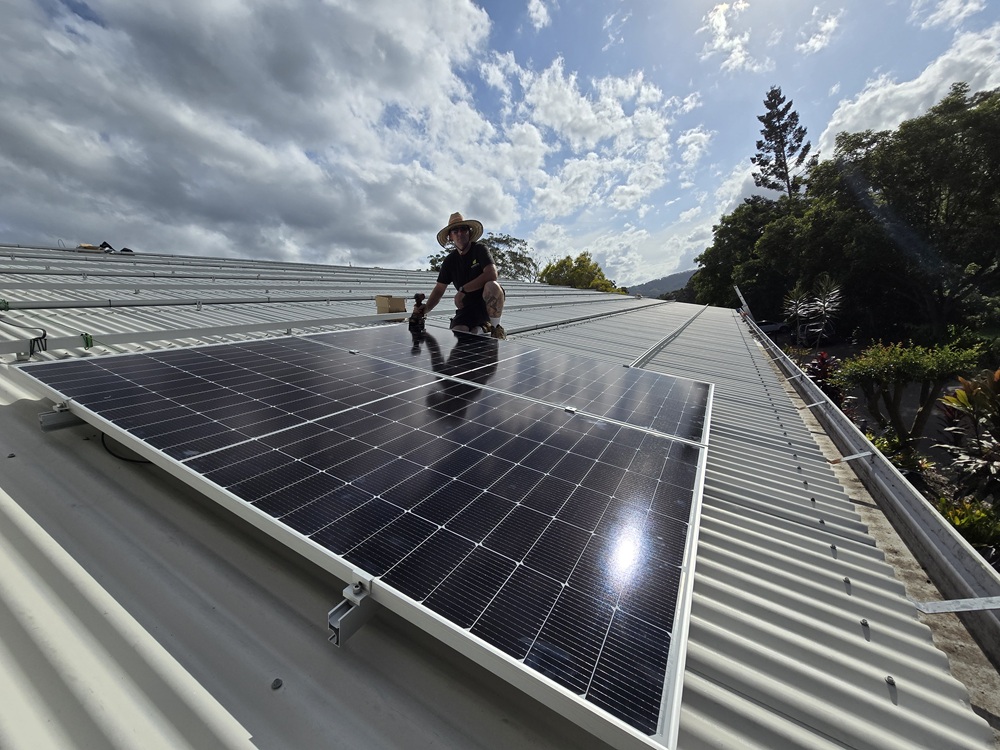
Solar panels are often treated as a “set and forget” investment. Once they are installed and producing electricity, it is easy to assume the system will continue working perfectly without much attention. In reality, a little care can make a meaningful difference over the years. Solar panel maintenance helps homeowners identify performance issues, dirt build-up, equipment wear and potential safety problems before they become more serious.
For homes in Capel, this is particularly relevant. Solar panels are exposed to sun, rain, wind, dust, vegetation and changing weather throughout the year. While modern solar systems are designed for Australian conditions, Solar Panel Maintenance can help keep track of how the system is performing and whether any developing issues need attention. They still benefit from sensible monitoring and periodic professional checks.
Maintenance does not necessarily mean doing something to the system every few months. It means understanding how the system is performing, knowing what signs to look for and arranging professional attention when something appears unusual.
What Does Solar Panel Maintenance Actually Involve?
There is a common misconception that maintenance simply means cleaning the glass. Cleaning is certainly one part of looking after a solar array, but it is not the whole story.
A proper service can involve examining the panels and their mounting structure, checking accessible wiring and isolators, assessing the inverter and reviewing system performance. The exact work depends on the equipment installed and the manufacturer’s recommendations.
The Australian Government advises owners to follow their system documentation for an appropriate maintenance schedule and says a solar system could be serviced every two years. It also recommends that servicing be carried out by an accredited solar installer or qualified electrician.
That approach makes sense because problems are not always visible from the ground.
Why Capel Conditions Can Affect Solar Performance
Capel provides a good environment for rooftop solar, but the same outdoor conditions that allow panels to generate electricity also expose them to gradual wear.
Dust can settle on panel surfaces. Leaves and other debris can collect around the array. Nearby trees may cast shadows as they grow, and birds can leave deposits that are not necessarily removed by ordinary rainfall.
This is where solar panel maintenance becomes more about observation than simply following a cleaning routine. A system installed several years ago may now be operating in different conditions from when it was first commissioned.
For example, a tree that was small when the panels were installed may now shade part of the array during the morning or afternoon. That change may not be obvious unless generation is being monitored.
How Dirt and Debris Affect Solar Panel Efficiency
Solar panel efficiency depends partly on how much sunlight reaches the photovoltaic cells. A layer of dust or other material can reduce the amount of light reaching the panel surface, which is why Solar Panel Maintenance should take the condition of the panels into account.
Rain does provide some natural cleaning, particularly because many panels are installed at an angle. However, rainfall is not guaranteed to remove everything. Stubborn dirt, bird droppings and other deposits can remain on the glass.
The Australian Government notes that dirt and debris can reduce electricity generation and says cleaning may be necessary in some circumstances, particularly in dusty locations.
That does not mean every system needs frequent washing. Excessive cleaning can be unnecessary, and accessing a roof introduces safety risks. The better approach is to assess the actual condition of the panels and clean them when there is a reasonable need.
Solar Panel Cleaning Is Not the Same as Servicing
It is useful to separate cleaning from servicing.
Solar panel cleaning deals mainly with surface contamination. Solar servicing takes a wider view of the system and can include electrical and equipment checks.
A homeowner might notice that the panels look dusty, but they cannot necessarily see whether a cable has deteriorated, an isolator has developed a fault or the inverter has recorded an error.
This is why solar panel maintenance should not be reduced to a cleaning job. Keeping the glass clean is useful, but a healthy solar system also depends on the equipment behind the glass.
Why Solar Panel Inspection Is Worthwhile
A solar panel inspection provides an opportunity to look for physical changes that may otherwise go unnoticed. Including inspections as part of regular Solar Panel Maintenance can help identify potential issues before they have a greater impact on system performance.
Panels can develop cracks or chips. Mounting components can loosen over time. Wiring can deteriorate through exposure, while corrosion or storm damage can affect particular parts of an installation.
Western Australian Government guidance recommends that solar PV systems be checked annually or according to the manufacturer’s recommendations by an accredited solar installer or licensed electrical contractor. It also identifies issues such as corrosion, water seepage, damaged insulation, storm damage and faulty components as matters that may occur.
A professional inspection is therefore less about assuming something is wrong and more about checking whether the system remains in suitable condition.
Monitoring Your System Between Professional Visits
Modern solar systems make it easier for homeowners to keep an eye on performance. Regular Solar Panel Maintenance can also involve monitoring the system so that unusual changes are noticed early.
Depending on the equipment, monitoring may be available through an inverter display, website or mobile application. The Australian Government explains that monitoring can show how much electricity a system is generating and can help identify faults or unexpected changes.
The important thing is not to become concerned about every daily variation. Solar production naturally changes with season, cloud cover and weather.
Instead, look for patterns.
If a system consistently produces less than expected on comparable sunny days, that is worth investigating. The cause could be shading, a fault, equipment ageing or another issue that requires professional testing.
The Inverter Deserves Just as Much Attention
Solar panels receive most of the attention because they are visible on the roof. The inverter, however, plays a critical role in converting the electricity generated by the panels into usable power. Including the inverter in regular Solar Panel Maintenance helps ensure that this important part of the system is not overlooked.
Solar inverter maintenance can involve checking the unit for warning messages, reviewing its fault history and making sure its surrounding area is suitable. Ventilation should not be obstructed, and the equipment should be kept accessible.
A failing inverter can affect the output of an otherwise healthy array. The Australian Government notes that inverter faults are among the possible reasons a solar system may not perform as expected.
Homeowners should never open or attempt to repair an inverter themselves. Solar equipment can remain electrically energized, and electrical repairs should be undertaken by appropriately qualified professionals.
A Practical Solar Panel Maintenance Checklist
For homeowners, the easiest way to stay organized is to keep a simple record of system performance and professional services. Regular Solar Panel Maintenance does not need to become a complicated household chore. A basic record can make it easier to notice changes and discuss them with a qualified professional.
The following checks are useful to discuss as part of your Solar Panel Maintenance routine:
- Panel condition, accumulated dirt, shading, cracks, chips, mounting components, visible cable condition, isolators, inverter warnings, ventilation, corrosion, storm damage and unusual changes in electricity generation.
From ground level, homeowners can also check whether anything looks obviously different from normal. However, climbing onto the roof to inspect panels or electrical equipment is not a suitable DIY task.
Solar Panel Maintenance: Key Checks and Benefits
Maintenance Check | What It Helps Identify | Why It Matters |
| Panel condition | Cracks, chips and dirt | Helps maintain reliable solar generation |
Cleaning | Dust, debris and bird droppings | Keeps sunlight reaching the panels |
| Shading check | Trees and new obstructions | Helps prevent avoidable output reductions |
Inverter check | Warning messages and faults | Identifies potential system problems |
| Wiring and isolators | Visible wear or damage | Supports electrical safety |
Performance monitoring | Unusual generation changes | Helps detect problems early |
| Professional inspection | Corrosion, storm damage and equipment issues | Supports long-term system reliability |
Solar System Maintenance and Long-Term Reliability
Good solar system maintenance is less about making a system look new and more about keeping track of how it is behaving. Regular Solar Panel Maintenance can help identify gradual changes in performance and highlight issues before they become more difficult to address.
The Australian Government states that well-maintained equipment can have a longer useful life and explains that different solar components have different expected lifespans. It also notes that inverters often require replacement during the lifetime of the panels, rather than the whole system needing replacement at once.
This is an important distinction. A lower output does not automatically mean the entire solar system has reached the end of its life. In many cases, effective Solar Panel Maintenance can help identify the reason for reduced generation without assuming that the complete system needs replacing.
A professional assessment can help determine whether the issue is something relatively straightforward, such as shading or dirt, or whether a particular component requires repair or replacement.
How Often Should Solar Panel Servicing Be Arranged?
There is no single timetable that suits every property. Solar Panel Maintenance should be planned according to the system’s age, condition and operating environment.
Manufacturer recommendations should come first. Environmental conditions, system age, installation design and the property’s surroundings can also influence how often attention is needed.
The Australian Government suggests that a solar system could be serviced every two years, while Western Australian guidance recommends annual checking or following the manufacturer’s recommendations. Regular Solar Panel Maintenance can be particularly useful for identifying developing issues before they affect system performance.
This difference is worth understanding rather than treating either interval as a universal rule. A property with significant dust, nearby vegetation or a history of faults may need closer attention than a system in a cleaner, less exposed setting.
When Solar Panel Repairs May Be Necessary
Not every performance problem requires solar panel repairs. Before replacing equipment, the cause needs to be established.
A noticeable reduction in generation could come from shading, soiling, an inverter fault, wiring problems, damaged panels or another component. Simply replacing panels without identifying the underlying issue can be an expensive mistake.
The Australian Government recommends contacting the solar retailer or installer when a system is not operating as expected. It also advises that repairs should only be attempted by an accredited electrician.
This is one of the strongest reasons to include professional assessment within a sensible solar panel maintenance routine.
Why Professional Solar Panel Cleaning Services Can Be Safer
Roof work creates risks that are easy to underestimate. Panels can become slippery, roof surfaces can be uneven, and electrical equipment adds another hazard.
For that reason, solar panel cleaning services should be considered when cleaning requires roof access. The Australian Government specifically warns that cleaning solar panels can be dangerous and recommends using a qualified person.
The goal is not simply to make the panels look cleaner. It is to complete the work without damaging the equipment or putting someone at unnecessary risk.
Choosing a Sensible Maintenance Approach in Capel
For most homeowners, a practical approach is straightforward: monitor generation, follow manufacturer instructions and arrange professional checks when they are due or when something changes.
A local provider can also understand the conditions affecting properties in the area. Boots Energy Solutions is based in Capel and provides solar and electrical services across the South West. Its website outlines solar servicing and maintenance as part of its solar services.
For broader independent information, the Australian Government Solar Consumer Guide is a useful reference for cleaning, monitoring, maintenance and faults.
The Long-Term Value of Solar Panel Maintenance
A solar system is expected to work for many years, so its performance should be considered over the long term rather than from one sunny afternoon to the next.
Regular solar panel maintenance can help identify small changes before they develop into larger concerns. It also gives homeowners a clearer picture of the condition of their equipment and whether its performance remains consistent with expectations.
For Capel properties, sensible maintenance means taking local environmental conditions into account without overcomplicating the process.
The best approach is not to clean panels unnecessarily or inspect equipment yourself. It is to monitor what you can safely monitor, keep useful records and arrange qualified assistance when professional testing or roof access is required.
Conclusion
Solar panels may have few moving parts, but they are still exposed to the elements every day. Dust, debris, shading, weather and component ageing can all influence how a system performs over time.
That is why solar panel maintenance deserves a place in the normal ownership of a solar system. Cleaning has its place, but so do performance monitoring, inspections, inverter checks and professional servicing.
If your Capel solar system has not been checked recently, review its generation history and maintenance records first. If you notice unusual performance, visible damage or inverter warnings, arrange a qualified assessment rather than attempting electrical work yourself.
For local support, you can explore Boots Energy Solutions solar and electrical services or review its solar servicing information before deciding what your system needs next.
Frequently Asked Questions
1. How often should solar panel maintenance be carried out in Capel?
The suitable interval depends on the system, manufacturer instructions and site conditions. Australian Government guidance says a system could be serviced every two years, while WA guidance recommends annual checks or following manufacturer recommendations.
2. Does solar panel maintenance improve electricity generation?
It can help maintain performance by identifying dirt, shading, faults and equipment problems. However, maintenance cannot make panels produce more than their design allows.
3. Is solar panel cleaning necessary after rainfall?
Not always. Rain can remove some surface dirt, but it may not remove stubborn deposits, bird droppings or accumulated dust. The actual panel condition should determine whether cleaning is necessary.
4. What should I do if my solar system suddenly produces less electricity?
First, check the monitoring system and inverter display for unusual readings or fault messages. If the reduction continues, contact the installer or a qualified solar professional for assessment.
5. Can I clean and inspect my solar panels myself?
Ground-level visual checks are generally safer than roof access, but electrical work and rooftop servicing should be left to appropriately qualified professionals. Roof cleaning can present significant fall and electrical hazards.