
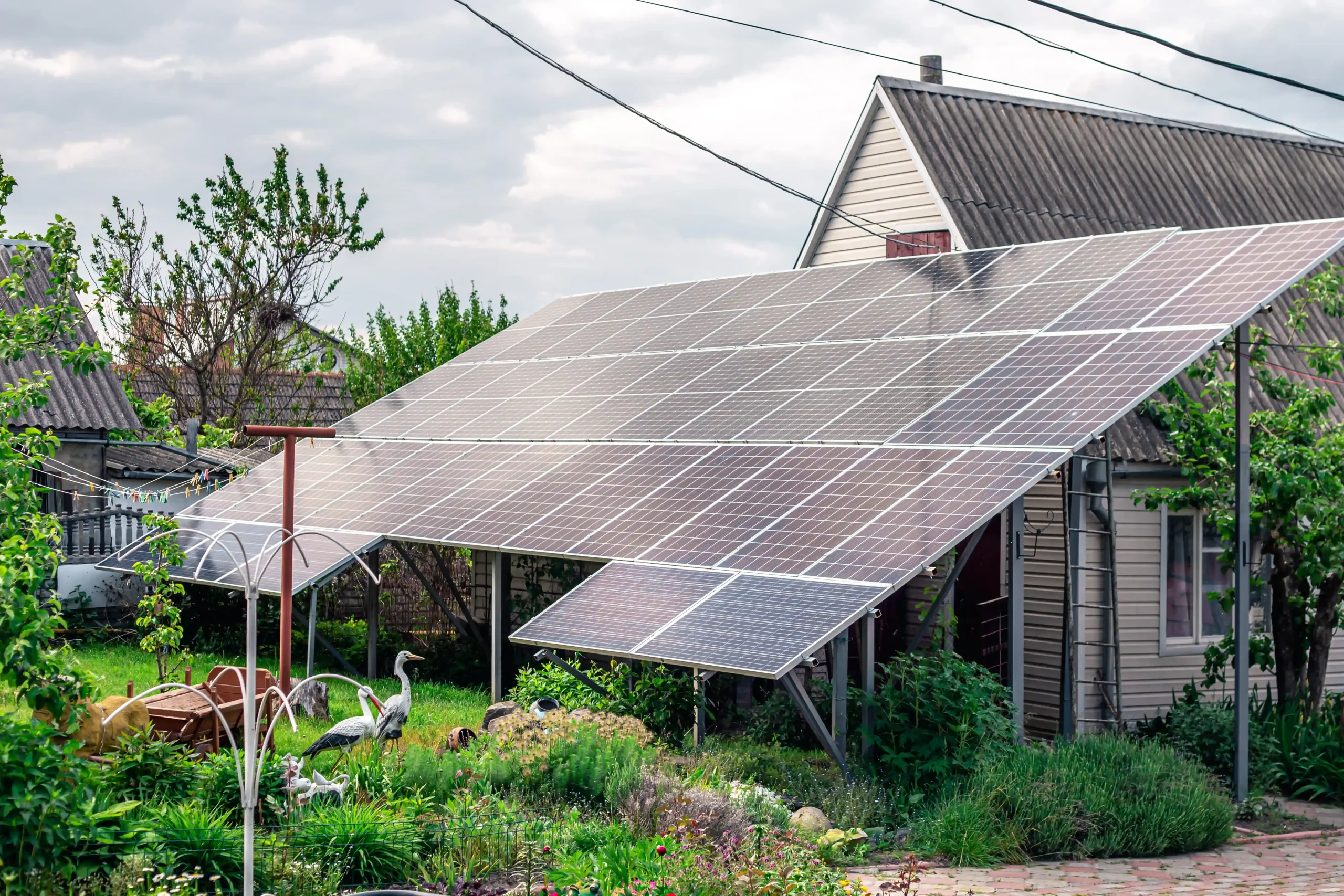
Embracing sustainable energy has never been more accessible or necessary for homeowners. Residential Solar Power Systems offer a powerful way to reduce carbon footprints while gaining independence from rising utility costs. In Capel, the abundance of sunshine provides a perfect environment for harvesting clean energy, allowing families to power their lives using the most abundant resource available. Whether you are looking to save money or contribute to a greener planet, understanding how these systems integrate into your daily life is the first step toward a brighter, more efficient future.
If you are ready to take the leap, finding the right partner for your journey is essential. You can learn more about professional Solar Panel Installation in Capel to see how local experts can tailor a solution to your specific roof and energy needs. Transitioning to renewable energy is a significant investment, but with the right guidance, it becomes a seamless upgrade to your home’s value and functionality.
Why Choose Residential Solar Power Systems?
The shift toward renewable energy is driven by more than just environmental altruism; it is a savvy financial move. Residential Solar Power Systems convert sunlight into electricity via photovoltaic (PV) cells, providing a consistent energy source that buffers you against inflation in the energy market.
Financial Benefits and Savings
The most immediate impact of installing solar is the reduction in your monthly power bill. By generating your own electricity, you decrease the amount you need to purchase from the grid.
- Reduced Electricity Bills: Most homeowners see a significant drop in costs immediately after activation.
- Increased Property Value: Homes equipped with modern solar setups often sell faster and at higher price points.
- Protection Against Rate Hikes: You effectively lock in your energy costs for the next 25+ years.
Environmental Impact
Using Residential Solar Power Systems significantly lowers the demand for fossil fuels. This reduces greenhouse gas emissions and helps combat climate change at a local level.
- Lower Carbon Footprint: A typical home system can prevent tons of CO2 from entering the atmosphere.
- Sustainable Future: Investing in solar supports the growth of the renewable energy industry.
Understanding the Components of a Solar Setup
A high-performing system is more than just panels on a roof. It is a synchronized network of hardware designed to maximize efficiency.
Solar Panels (Photovoltaic Modules)
The panels are the face of your system. They capture sunlight and convert it into Direct Current (DC) electricity.
- Monocrystalline: High efficiency and sleek black look.
- Polycrystalline: Generally more budget-friendly with a blue tint.
The Solar Inverter
The inverter is the “brain” of your Residential Solar Power Systems. It converts DC electricity from the panels into Alternating Current (AC) electricity, which is what your home appliances use.
String Inverters
A central unit that connects all panels in a series. It is cost-effective but can be impacted if one panel is shaded.
Microinverters
Small units attached to each individual panel. These are ideal for roofs with complex shading issues as they allow each panel to operate independently.
Solar Battery Storage Systems
To truly maximize your independence, solar battery storage systems are a game-changer. They store excess energy generated during the day for use at night or during power outages.
- Energy Independence: Use your solar power 24/7.
- Backup Power: Keep essential appliances running during grid failures.
Planning Your Home Solar Panel Installation
The process of home solar panel installation requires careful planning and professional oversight to ensure safety and performance.
Assessing Your Roof’s Potential
Before any hardware is ordered, a site audit is necessary.
- Orientation: In the southern hemisphere, north-facing roofs capture the most sunlight.
- Structural Integrity: Your roof must be strong enough to support the weight of the mounting racks and panels.
- Shading: Nearby trees or buildings can significantly reduce output.
Finding the Best Solar Installers Near Me
Choosing a local expert in Capel ensures that your installer understands the specific weather patterns and council regulations of the area. Look for installers with high ratings and valid certifications to guarantee a quality home solar panel installation.
Breakdown of Solar Panel Cost for House
One of the most common questions is the solar panel cost for house setups. While the upfront price can seem high, it is helpful to view it as “pre-paying” for 20 years of electricity.
| System Size | Average Cost (Estimated) | Expected Daily Output |
| 6.6 kW System | $4,500 – $7,000 | 25 – 30 kWh |
| 10 kW System | $8,000 – $12,000 | 40 – 50 kWh |
| 15 kW System | $13,000 – $18,000 | 60 – 75 kWh |
Note: Costs vary based on brand, roof complexity, and inclusion of solar battery storage systems.
Maximizing Value with Solar Energy Incentives
To make Residential Solar Power Systems more affordable, various government initiatives are available. These solar energy incentives can significantly reduce the “payback period” of your investment.
Small-scale Technology Certificates (STCs)
The Australian federal government provides a “rebate” in the form of STCs. This acts as a point-of-sale discount on your system. You can check current renewable energy targets and programs to see how these certificates are calculated.
Feed-in Tariffs (FiTs)
When your Residential Solar Power Systems produce more energy than you use, the excess is sent back to the grid. Your energy retailer then pays you a credit for this power, further lowering your bill.
Exploring Off-Grid Solar Solutions
For those living in remote parts of Capel or seeking total independence, off-grid solar solutions are the ultimate choice.
Going Completely Independent
Unlike grid-tied systems, off-grid setups are not connected to the local electricity network.
- Heavy Battery Requirement: You will need substantial solar battery storage systems to cover several days of low sunlight.
- Generator Backup: Most off-grid homes include a backup generator for emergencies.
Is Off-Grid Right for You?
Pros:
- No more electricity bills forever.
- Complete immunity to grid blackouts.
Cons:
- Significantly higher upfront solar panel cost for house due to battery needs.
- Requires more active management of energy consumption.
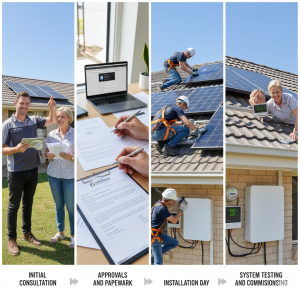
The Installation Process Step-by-Step
Once you’ve decided on Residential Solar Power Systems, the journey from quote to “switch-on” is quite straightforward when working with the best solar installers near me.
Step 1: Initial Consultation and Design
An expert will visit your Capel home to measure your roof and review your previous electricity bills to size the system correctly.
Step 2: Approvals and Paperwork
Your installer will usually handle the applications for grid connection and any local council permits required for home solar panel installation.
Step 3: Installation Day
A team of qualified electricians and installers will:
- Fix the mounting brackets to your roof.
- Install the solar panels.
- Wire the panels to the inverter and (if chosen) your solar battery storage systems.
Step 4: System Testing and Commissioning
The system is tested to ensure it is generating power safely before it is officially handed over to you.
Maintenance and Longevity
Residential Solar Power Systems are remarkably low-maintenance because they have no moving parts. However, a little care goes a long way.
Cleaning Your Panels
Dust, salt spray (common in coastal areas like Capel), and bird droppings can block sunlight.
- Rinse with water: A simple hose down every few months is often enough.
- Professional Inspection: Have your system checked every 2–3 years to ensure all electrical connections are tight.
Monitoring Performance
Most modern Residential Solar Power Systems come with a smartphone app. You can track your production in real-time, allowing you to see exactly how much you are saving and identify if a panel isn’t performing as expected.
Comparing Brands and Technologies
With so many options for Residential Solar Power Systems, it helps to know what to look for in a brand.
Tier 1 Manufacturers
These are companies that are financially stable and invest heavily in R&D. Choosing Tier 1 panels ensures that your 25-year warranty will actually be honored if needed.
Inverter Efficiency
Look for inverters with high efficiency ratings (above 97%). This ensures that very little energy is lost during the conversion from DC to AC power.
How to Maximize the ROI of Residential Solar Power Systems
To get the most out of your investment, you need to align your energy habits with the sun’s schedule. Residential Solar Power Systems perform best when the house is actively using the power they generate in real-time.
Shifting Your Energy Load
Instead of running heavy appliances at night, try to schedule them during peak daylight hours (typically 10 AM to 3 PM).
- Dishwashers and Washing Machines: Use built-in timers to start these during the noon sun.
- Pool Pumps: These are high-energy consumers; running them on solar power can save hundreds of dollars annually.
- Electric Vehicle (EV) Charging: If you work from home, charging your car during the day ensures you are driving on “sunshine” rather than grid power.
Monitoring and Smart Home Integration
Modern Residential Solar Power Systems offer sophisticated monitoring apps. By checking these daily, you can identify “vampire loads”—appliances that draw power even when not in use—and adjust your habits to ensure no solar energy goes to waste.
Exploring Residential Solar Power Systems for Different Roof Types
Not every home in Capel is built the same, but almost any roof can accommodate a home solar panel installation with the right mounting hardware.
Metal (Colorbond) vs. Tiled Roofs
- Metal Roofs: These are often the easiest for home solar panel installation. Installers use specialized clamps that don’t require drilling into the sheets, maintaining the roof’s watertight integrity.
- Tiled Roofs: These require “roof hooks” that sit under the tiles. While it takes a bit more labor, a professional team ensures no tiles are cracked and the system is perfectly level.
Flat Roof Considerations
If your Capel home has a flat roof, your installer will likely use “tilt frames.” These frames angle the panels toward the north, ensuring your Residential Solar Power Systems capture maximum sunlight despite the lack of a natural roof pitch.
Understanding the Lifespan and Warranties of Solar Components
When calculating the long-term value of Residential Solar Power Systems, it is vital to understand the difference between the various warranties offered by manufacturers.
Performance vs. Product Warranties
- Product Warranty: This covers defects in materials or workmanship. For high-quality panels, this is usually 15 to 25 years.
- Performance Warranty: This guarantees that the panels will still produce a certain percentage of their original power (usually 80-90%) after 25 years.
Inverter and Battery Warranties
Inverters and solar battery storage systems typically have shorter warranties than panels, usually ranging from 5 to 10 years. It is often worth paying a little more for brands that offer “extended warranties” to protect your Residential Solar Power Systems for the long haul.
The Role of Residential Solar Power Systems in Home Resilience
In an era of unpredictable weather and aging grid infrastructure, Residential Solar Power Systems provide a layer of security for your family.
Backup Power During Grid Outages
Standard solar systems shut down during a blackout for safety reasons. However, if you have integrated solar battery storage systems, your home can switch to “island mode,” keeping lights, fridges, and internet routers running while the rest of the street is in the dark.
Future-Proofing for Electric Vehicles
As more Capel residents switch to EVs, the demand for home electricity will spike. Installing robust Residential Solar Power Systems now ensures you have the infrastructure ready to “fuel” your car for free in the coming years.
Solar Energy Incentives: Looking Beyond the Federal Rebate
While the STC “rebate” is the most famous, there are other financial tools that make the solar panel cost for house installations more manageable.
Low-Interest Green Loans
Many banks in Australia now offer “Green Loans” specifically for Residential Solar Power Systems. These loans often feature significantly lower interest rates than standard personal loans, allowing the energy savings to effectively pay off the loan installments.
Local Capel Sustainability Grants
Occasionally, local government bodies or environmental groups offer smaller grants or community bulk-buy programs. Engaging with the best solar installers near me is the best way to stay informed about these hyper-local opportunities.
Technical Maintenance: Ensuring Your System Stays Efficient
While Residential Solar Power Systems are “set and forget” for the most part, a proactive approach to maintenance prevents minor issues from becoming costly repairs.
Managing Shading and Vegetation
Trees grow over time. A branch that didn’t shade your roof last year might be casting a shadow now. Since even partial shading can drop the output of your home solar panel installation, regular pruning is essential for maintaining peak efficiency.
Inspecting the Inverter Display
Get into the habit of glancing at your inverter once a week. A green light usually indicates everything is healthy. If you see a red light or an error code, contact your installer immediately to ensure your Residential Solar Power Systems aren’t sitting idle during a sunny week.
Conclusion
Investing in Residential Solar Power Systems is one of the most impactful decisions a homeowner in Capel can make. By combining the natural power of the sun with modern technology like solar battery storage systems, you can enjoy a lifestyle that is both eco-friendly and economically sound. From the initial search for the best solar installers near me to the day your meter starts running backward, the journey toward energy independence is a rewarding path that adds lasting value to your home.
The future of energy is decentralized and clean. As the solar panel cost for house installations continues to become more competitive, there has never been a better time to lock in your energy security. If you are ready to explore how Residential Solar Power Systems can work for your specific property, take the next step and consult with local professionals who understand the Capel landscape.
Contact us today to receive a customized assessment and see how much you can save with a tailor-made solar solution.
Frequently Asked Questions
How long do Residential Solar Power Systems last?
Most high-quality solar panels are designed to last between 25 and 30 years. While they will still produce electricity after this period, their efficiency will slightly decline over time.
Are there any solar energy incentives still available in Capel?
Yes, homeowners can still benefit from the federal STC scheme, which provides a significant upfront discount. Additionally, local feed-in tariffs allow you to earn credits for excess power sent to the grid.
Is my roof suitable for home solar panel installation?
A suitable roof typically has enough clear space, faces North, West, or East, and is in good structural condition. A professional installer can provide a specific assessment using satellite imagery.
Can I add solar battery storage systems later?
Absolutely. Many systems are “battery-ready,” meaning you can install the panels now and add storage later as your budget allows or as your energy needs increase.
What is the average solar panel cost for house in Western Australia?
The cost generally ranges from $4,500 to $12,000 depending on the system size and quality of components. Incentives often cover a substantial portion of the gross cost.
How do I find the best solar installers near me?
Look for installers with Clean Energy Council (CEC) Accreditation and positive local reviews. Choosing a local Capel provider ensures better after-sales support and knowledge of local grid requirements.