
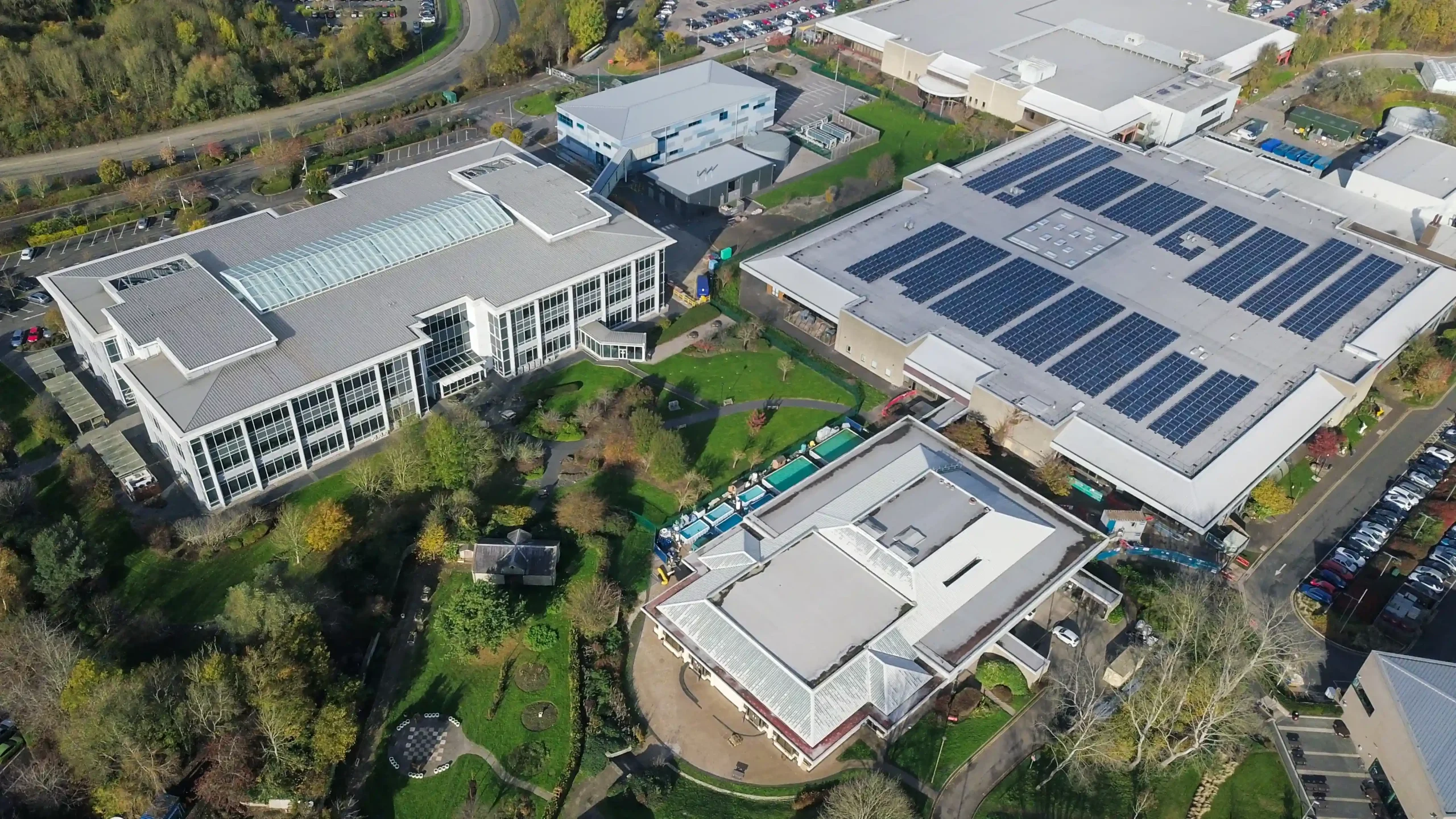
Western Australia is currently witnessing a massive energy transformation. As electricity prices continue to fluctuate and the push for corporate environmental responsibility intensifies, Commercial Solar Power Systems have shifted from being an optional green initiative to a fundamental business strategy. In the sun-drenched landscape of WA, from the bustling streets of Perth to the industrial hubs of the South West, businesses are realizing that their rooftops are untapped goldmines of energy potential. This shift isn’t just about sticking panels on a roof; it’s about the integration of smart technology that allows for unprecedented control over energy consumption and expenditure.
The move toward renewable energy is particularly strong in regional areas where energy reliability and cost are paramount. For many local enterprises, the first step toward energy independence begins with professional Solar Panel Installation in Capel, providing a localized roadmap for businesses looking to slash overheads. By adopting smart commercial PV systems, WA business owners are not only reducing their carbon footprint but are also insulating themselves against the rising costs of the traditional power grid.
The Economic Landscape of Commercial Solar in WA
Why Now is the Time for Business Solar Systems
The economic argument for solar has never been more compelling. In Western Australia, we are blessed with some of the highest solar irradiance levels in the world. When you combine this natural resource with the falling costs of photovoltaic (PV) hardware, the Return on Investment (ROI) becomes impossible to ignore. Smart systems now include sophisticated monitoring that shows exactly where every cent is being saved.
Rising Grid Tariffs vs. Solar Savings
- Grid Dependency: Traditional energy prices in WA are subject to market volatility and infrastructure maintenance levies.
- Self-Generation: By producing power on-site, businesses effectively lock in their electricity rate for the next 20 to 25 years.
- Peak Shaving: Commercial solar power systems generate the most electricity during the day—exactly when most businesses face their highest peak demand charges.
Financial Incentives and Tax Benefits
The Australian government provides several levers to help businesses transition to renewable energy. These incentives significantly lower the payback period, making the transition to commercial PV systems financially viable for SMEs and large corporations alike.
Small-scale Technology Certificates (STCs)
For systems under 100kW, businesses can claim STCs, which act as a direct discount on the purchase price of the system. This upfront subsidy often covers a significant portion of the installation costs.
Large-scale Generation Certificates (LGCs)
For larger installations (above 100kW), businesses can create LGCs for every megawatt-hour of electricity generated. These certificates can be sold to energy retailers, creating an ongoing revenue stream for the business.
Understanding Smart Commercial Solar Power Systems
What Makes a System Smart?
A standard solar setup simply converts sunlight into electricity. However, a smart solar solution incorporates IoT (Internet of Things) devices, advanced inverters, and AI-driven software to optimize how that energy is used, stored, or exported.
Real-Time Data Monitoring
Modern systems provide a dashboard that business owners can access via smartphone or desktop. This data allows for:
- Identifying energy leaks in the building.
- Monitoring the health of individual panels.
- Predicting energy production based on weather forecasts.
Export Limitation and Grid Interaction
In many parts of Western Australia, Western Power has specific requirements for how much energy can be fed back into the grid. Smart inverters manage this automatically, ensuring the system remains compliant while maximizing self-consumption.
The Role of Commercial PV Systems in Modern Infrastructure
A commercial PV system is more than just hardware; it is a critical piece of building infrastructure. Integrating these systems requires a deep understanding of structural integrity and electrical engineering.
| Feature | Standard Solar System | Smart Commercial Solar System |
| Monitoring | Basic total output | Module-level tracking & consumption data |
| Efficiency | Static | Dynamically optimized via AI |
| Maintenance | Reactive (after a failure) | Predictive (alerts before failure) |
| ROI Period | 5-7 Years | 3-5 Years |
| Grid Interaction | Simple Export | Sophisticated Demand Response |
Key Benefits for WA Businesses
Unlocking Operational Efficiency
Every dollar saved on electricity is a dollar that can be reinvested into staff, equipment, or expansion. For industries like manufacturing, cold storage, and retail, where energy is a top-three operating expense, the impact is transformative.
Reduced Overhead Costs
By offsetting 70% to 90% of daytime energy usage, businesses can drastically improve their profit margins. This is especially true for businesses operating 9-to-5, as their energy production perfectly aligns with their operational hours.
Enhanced Property Value
Commercial buildings equipped with high-efficiency solar power for businesses are more attractive to tenants and buyers. High NABERS (National Australian Built Environment Rating System) ratings are increasingly becoming a requirement for premium corporate leases.
Environmental Leadership and CSR
Consumers and stakeholders are increasingly looking to support green businesses. Transitioning to renewable energy WA isn’t just a cost-saving measure; it’s a branding powerhouse.
- Carbon Footprint Reduction: A typical 100kW system can save over 100 tonnes of CO2 emissions annually.
- Sustainability Reporting: Smart systems provide the exact data needed for annual sustainability reports and ESG (Environmental, Social, and Governance) goals.
For more information on the global trends driving this shift, you can explore the International Energy Agency’s reports on renewable growth.
Technical Considerations for WA Installations
Designing for the WA Climate
The Western Australian climate is beautiful but harsh. Systems must be engineered to withstand high UV indexes, extreme heat, and, in some coastal regions, high wind loads (Cyclonic zones).
Heat Tolerance in Inverters
In Perth and the North West, temperatures can soar above 40°C. High-quality smart inverters are designed with superior thermal management to ensure they don’t derate (drop in efficiency) during the hottest parts of the day.
Salt Mist Corrosion
For businesses located near the coast (from Fremantle to Geraldton), components must be rated for salt mist corrosion to prevent the degradation of frames and electrical connections.
Scaling and Future-Proofing
A common mistake is installing a system that only meets today’s needs. A smart approach involves designing for tomorrow.
- Battery Readiness: Even if you don’t install a battery today, the system should be battery-ready to allow for easy integration of energy storage as battery prices continue to fall.
- EV Charging Integration: As commercial fleets transition to electric vehicles, your solar system will become the petrol station for your vans and trucks.
The Installation Process: What to Expect
Initial Feasibility and Energy Audit
The process begins with an analysis of your interval data (your 12-month energy usage history). This ensures the Commercial Solar Power Systems are sized correctly—not too small to be ineffective, and not too large to be wasteful.
Engineering and Approvals
Before a single panel is laid, structural engineers must certify that the roof can handle the additional load. Simultaneously, applications are lodged with Western Power for grid connection approval.
Professional Installation and Commissioning
A high-quality installation typically takes anywhere from a few days to a few weeks, depending on the system size. Once installed, the smart components are programmed, and the business owner is trained on how to use the monitoring software.
Strategic Energy Management with Smart Inverters
The Brain of Your Commercial Solar Power System
While panels capture the sunlight, the smart inverter is the true workhorse of modern commercial PV systems. These sophisticated devices do more than just convert DC to AC; they manage voltage fluctuations and ensure the power quality entering your building remains stable. In Western Australia, where the grid can sometimes experience voltage spikes, a smart inverter acts as a protective barrier for your expensive machinery and IT infrastructure.
Advanced Grid Support Functions
- Volt-Var Control: Automatically adjusts reactive power to maintain grid stability.
- Remote Firmware Updates: Ensures your hardware stays current with the latest energy regulations without a site visit.
- Dynamic Export Control: Real-time adjustment of energy flow to meet Western Power’s fluctuating requirements.
Integration with Battery Energy Storage Systems (BESS)
Moving Toward 24/7 Renewable Energy WA
The next frontier for business solar systems is the integration of large-scale battery storage. While solar covers your daytime needs, a BESS allows you to capture excess generation from the afternoon sun and use it during early morning shifts or evening peak periods. This is particularly beneficial for WA businesses that operate refrigerated warehouses or 24-hour manufacturing lines.
Peak Shaving and Load Shifting
By using stored energy during “peak” tariff windows (usually late afternoon), businesses can avoid the highest electricity charges. This process, known as peak shaving, can reduce a commercial energy bill by an additional 20% to 30% beyond what solar panels achieve alone.
Solar for Multi-Tenant Commercial Properties
Creating New Revenue Streams for Landlords
Previously, landlords had little incentive to install solar because the tenants paid the electricity bills. However, smart solar solutions now include embedded networks and sophisticated billing software. This allows property owners to sell solar energy to their tenants at a rate lower than the grid, creating a “win-win” scenario where the landlord generates a new yield and the tenant saves on overheads.
Benefits for Property Managers:
- Increased Lease Longevity: Tenants are less likely to move if their energy costs are significantly lower.
- Common Area Powering: Use solar to offset the costs of elevators, hallway lighting, and HVAC systems in shared spaces.
- Green Building Certification: Boosts the asset’s market value and attracts premium corporate tenants.
Maintenance and Asset Management in the Smart Era
Predictive vs. Reactive Servicing
One of the primary reasons WA businesses are switching to “smart” commercial solar power systems is the shift in maintenance philosophy. Traditional systems often sit under-performing for months before a fault is noticed on a bill. Smart systems utilize AI-driven “health checks” that compare actual yield against predicted yield based on local weather data.
Ensuring Long-Term Performance
- Automated Alerts: Receive a notification the moment a string of panels underperforms.
- Thermal Imaging Drones: Regular aerial inspections can identify “hot spots” before they lead to hardware failure.
- Dust Mitigation: In dusty regional WA areas, smart sensors can trigger automated cleaning schedules to maintain maximum efficiency.
Impact of Commercial Solar on Corporate Social Responsibility (CSR)
Marketing Your Commitment to Sustainability
In today’s market, a company’s environmental credentials are a major factor in procurement decisions. Implementing solar power for businesses provides tangible, data-backed evidence of your commitment to the planet. Many WA companies now display their real-time solar generation on lobby screens to demonstrate their green initiatives to visiting clients and partners.
- Supply Chain Requirements: Many Tier-1 contractors now require their suppliers to have a carbon reduction plan in place.
- Employee Retention: Modern staff, particularly younger generations, prefer working for companies that align with their environmental values.
- Brand Distinction: Being the “greenest” choice in your local industry provides a significant marketing advantage.
Financing Options for Commercial Solar
Zero-Upfront Capital Expenditure (CAPEX)
For many businesses, the barrier to entry isn’t the technology, but the upfront cost. Fortunately, the WA market offers several innovative financing models that allow you to install commercial PV systems with no initial outlay. These models are designed so that the monthly savings on your electricity bill are greater than the monthly finance repayment, making the system “cash-flow positive” from day one.
Popular Financing Models in WA
- Power Purchase Agreements (PPA): A third party installs and maintains the system; you simply buy the generated electricity at a guaranteed low rate.
- Equipment Leases: A simple monthly payment for the hardware, often with tax-deductible benefits.
- Sustainable Energy Loans: Specialized low-interest loans from lenders who prioritize green infrastructure projects.
Conclusion
The rapid adoption of Commercial Solar Power Systems across Western Australia marks a significant turning point for the local economy. Businesses are no longer passive consumers of expensive grid power; they are becoming active “prosumers” who control their own energy destiny. By combining the natural advantage of WA’s sunshine with cutting-edge smart technology, companies are securing their financial future, meeting environmental targets, and gaining a competitive edge that is hard to ignore. Whether you are a small workshop or a massive distribution centre, the question is no longer if you should switch to solar, but how fast you can get it installed.
Don’t let your business fall behind in the transition to a cleaner, cheaper energy future. Our team specializes in tailoring smart solar solutions that maximize ROI and operational uptime for WA enterprises. Contact us today for a comprehensive energy audit and find out how much your business could be saving with a custom-engineered solar solution.
Frequently Asked Questions
What is the average payback period for a commercial solar system in WA?
For most WA businesses, the payback period typically ranges between 3 to 5 years. This is influenced by your current energy tariff, the size of the system, and how much of the generated energy you consume on-site.
Do these systems work during a power outage?
Standard grid-connected systems will shut down during an outage for safety reasons. However, if you opt for a smart system with “islanded” battery storage or specific backup functionality, your business can continue to run essential loads when the grid goes down.
How much roof space is required for a 100kW system?
A 100kW system generally requires approximately 500 to 650 square metres of roof space, depending on the wattage of the individual panels used and the mounting configuration (flat vs. tilted).
What maintenance is required for commercial PV systems?
Commercial systems are relatively low-maintenance but do require periodic professional inspections. This includes cleaning the panels to remove dust/soiling, checking electrical connections, and ensuring the smart monitoring software is up to date.
Can I monitor the system’s performance remotely?
Yes, all smart commercial solar solutions include cloud-based monitoring. You can view real-time production, historical data, and system health alerts from any location via a secure web portal or mobile app.
Is my roof suitable for a large-scale solar installation?
Most commercial roofs (Metal/Colorbond) are ideal for solar. During our initial assessment, we perform a structural check to ensure the roof can support the weight and evaluate any shading issues from nearby buildings or trees.