
Imagine it’s a bright Capel morning, you’re sipping your flat white and checking your solar app – yet the numbers feel a bit off. If your rooftop solar system isn’t quite generating what it used to, the culprit might be your inverter. Here at Boots Energy Solutions in Capel, WA, we’ve seen first-hand how replacing an ageing inverter can feel like injecting new life into your solar setup. In this relaxed guide, we’ll walk you through solar inverter replacement – why it matters, how it’s done, and what it costs – all tailored for young Aussie professionals looking to keep their homes powered up and their bills down.
Imagine replacing your solar inverter just like giving your car a turbo boost – suddenly everything runs smoother and more efficiently. In Capel, roughly 56% of households already have solar on their roofs, thanks to an average of 5.2 peak sun hours per day. As more locals harness the outback’s sunshine, making sure your solar power system is humming along at peak performance is crucial. The solar inverter is literally the heart of your solar system, converting DC power from the panels into the AC electricity that runs your home. An old or failing inverter can silently drag down your energy harvest, leading to grumpy meter readings and higher bills. Stick with me and I’ll explain how a fresh inverter can rev up your system’s efficiency, the ins and outs of installation, and the investment required – all with a bit of wit and the straightforward talk you deserve.
Why Replace Your Solar Inverter?
Your inverter might seem like a quiet grey box on the wall, but it works harder than you think. Over time, even the best inverters wear out – electronics don’t love Capel’s hot days any more than we do. On average, Australian solar inverters last about 10–15 years, which is roughly half the lifespan of the panels above them. Once your inverter nears that decade mark (or if it ever trips error codes and leaves your system dark), it’s time to consider a solar inverter replacement.
Replacing the inverter is a bit like swapping a floppy old laptop for a shiny new one: everything runs faster and more reliably. With a fresh, higher-efficiency inverter, your panels can convert more of Capel’s sunlight into usable electricity, which means lower power bills and a happier grid. Modern inverters often come with clever digital brains too – think inverter monitoring systems that beam performance data to your phone – so you can spot small issues before they become big headaches. In short, a new inverter can transform an “OK” rooftop array into a finely-tuned renewable energy solution. (We’ll talk costs soon – don’t worry, it’s not as hefty as a new e-bike!)
Types of Solar Inverters & Choosing the Right One
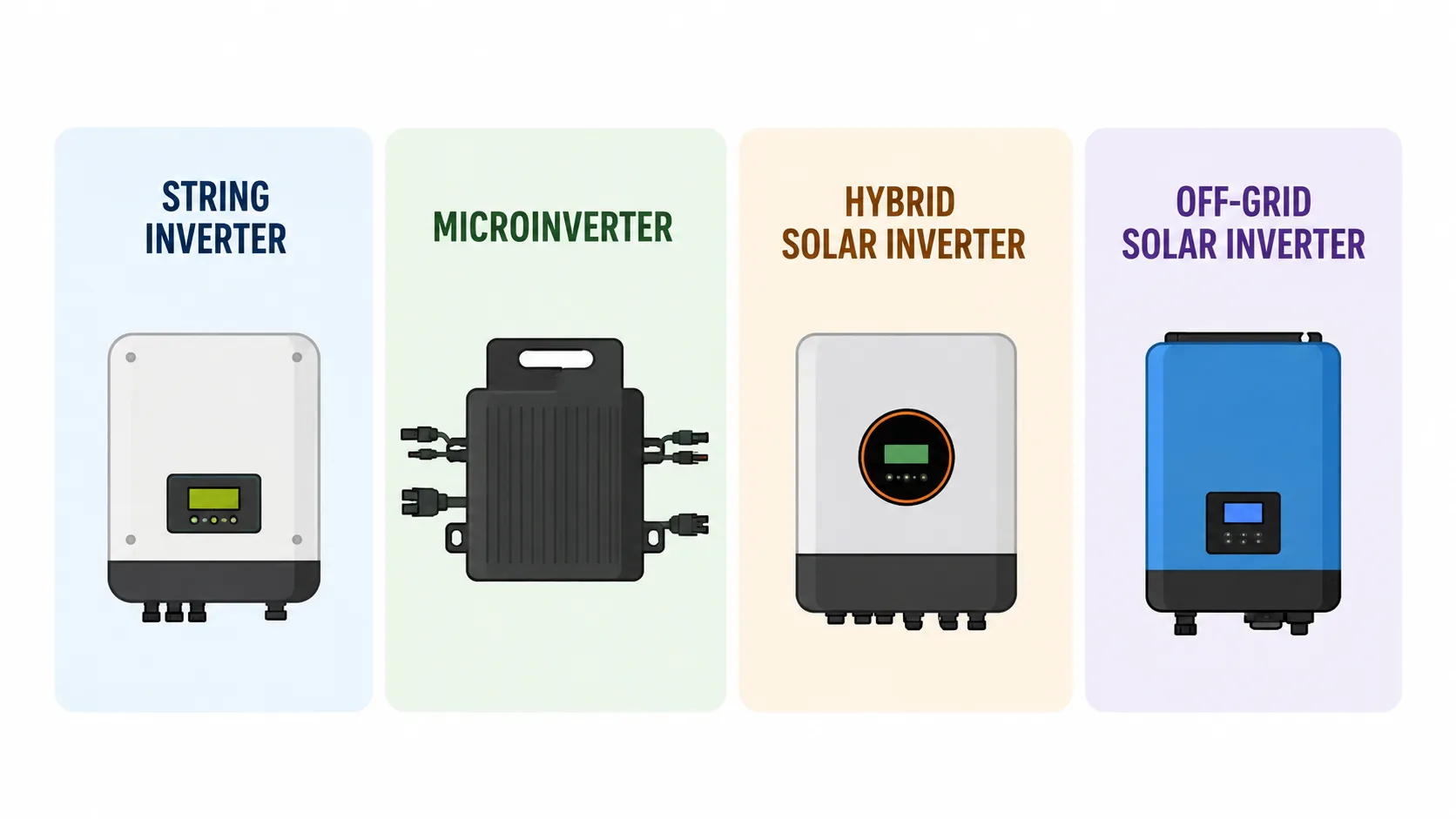
Not all inverters are created equal. The most common is the string inverter, which ties rows of panels together. These are often the most budget-friendly and straightforward to install. A failure in one string inverter, however, can knock out several panels at once – like having one generator power an entire block. On the other hand, microinverters are like one-per-panel ninjas. They sit behind each panel and work independently, so if one micro fails or a leaf covers one panel, the rest of your system keeps chugging along. Microinverters usually last the longest (often 20+ years) but cost more upfront because you need one for each panel.
Then there are hybrid solar inverters, which double as the brains of a battery system. If you plan on adding or already have a home battery, a hybrid inverter can manage both solar generation and battery storage in one neat box. (Think of it as a double agent for your energy needs.) These often come with smart features for solar energy storage and can seamlessly switch between solar, battery, and grid power. They tend to run a bit hotter – managing batteries is hard work – so their typical lifespan is around 10–12 years. Finally, if you live completely off-grid or have a tiny cabin well out of town, an off-grid solar inverter is the specialist that handles life without the grid.
Whichever type you consider, make sure it’s CEC-approved for Australia (the Clean Energy Council’s list) and matches your system’s size. Replacing a 6.6 kW system’s inverter with a giant 15 kW beast would be like putting a V12 engine under a mini; vice versa would underpower you. A reputable installer (hi, Boots Energy Solutions here!) will help size it up correctly. Ultimately, your choice might blend several of these concepts: for example, a grid-connected hybrid inverter at home gives you both normal grid connection and battery readiness, fitting nicely with WA’s renewable energy solutions for pros like us.
Benefits of Solar Inverter Replacement
Replacing that old inverter isn’t just replacing hardware – it’s an upgrade to your whole lifestyle. You’ll notice some real wins: better efficiency, smoother reliability, and future-proofing. Here are some top perks to look forward to:
- Boosted Efficiency: Newer inverters squeeze more usable power out of your panels. Imagine your system catching every stray photon – the AC output rises, so your meter spins slower. In our experience, swapping an aged inverter can significantly increase daily output, especially during Capel’s long summer days.
- Greater Reliability: A fresh inverter often means fewer hiccups. Gone are unexpected shutdowns or blinking error lights on sunny afternoons. Modern units have better cooling and protection, so they stand up to heat and surges better than clunky older models.
- Smart Monitoring & Control: Many new inverters come with built-in inverter monitoring systems that livestream performance to your phone or email. It’s like having a techy sidekick. You can track your solar system performance in real time, or spot if one panel underperforms and give it a quick clean.
- Future-Proofing with Batteries: A key benefit of upgrading is being ready for tomorrow. If you ever eye a battery, a battery-ready inverter or hybrid inverter makes integration seamless. You won’t have to rip everything out again to fit the new tech. It’s a bit like adding an extra extension cord port now before you need it.
- Extended System Life: By replacing the weak link (the inverter), you relieve strain on the rest of the system. It’s akin to getting fresh shock absorbers for your car – suddenly everything from the roof rack to the wheels takes it easier, helping your whole solar setup last longer.
In practice, one Adelaide business we know swapped out its tired inverter and saw immediate improvement: “we got our peak kilowatts back, and our meters showed we were finally using more of the solar we were generating”. In short, investing in inverter replacement now can pay off through consistently higher energy yields and peace of mind.
Installation Process of a New Solar Inverter
The idea of replacing a critical component might sound daunting, but the process is straightforward when handled by a licensed installer (like us!). Safety first: the power is completely shut off, isolators engaged, and only qualified technicians touch the wiring. Generally, here’s how a typical solar inverter replacement unfolds:
- System Shutdown: We cut the mains and isolate the solar circuit so it’s all safe. Think of it like closing the pit lane in a race before changing the engine.
- Remove the Old Inverter: The old box is carefully detached. We inspect the mounting and wiring – if anything’s corroded or outdated, we tidy that up.
- Install the New Inverter: The shiny new unit gets mounted, wired up, and grounded correctly. We ensure it meets AS/NZS electrical and installation standards. This includes setting up the inverter’s software for WA’s grid (remember those new “Australia Region B” settings?).
- Commissioning & Testing: Once wired, the system is powered up. We configure the inverter’s settings (like your correct solar inverter installation parameters) and run diagnostics. The system might even perform self-checks via its monitoring app. We test across sunny and cloudy conditions to make sure it’s working as expected.
- Go Live: After a final safety sign-off and paperwork, the new inverter is up and running, and you can enjoy watching that cleaner, higher output on your meter or app right away.
Throughout, all approvals and relevant certifications (including any grid-connection updates) are handled. In WA from May 2026, any new inverter must comply with updated standards under Western Power’s procedure, but don’t worry – our team ensures all checks and balances are followed. It’s not like building IKEA furniture – you’re relying on skilled professionals who’ve done this dozens of times. By the end of the day, your system is re-energized, and we give you a rundown on how to monitor and maintain it moving forward.
Why Professional Solar Inverter Replacement Matters
A professional Solar Inverter Replacement does far more than replace an old unit. It ensures your rooftop solar system operates safely, efficiently, and in line with Australian electrical standards. Because the inverter is responsible for converting DC electricity into usable AC electricity, choosing the right replacement has a direct impact on your energy savings and system reliability. Australian Government guidance recommends using accredited installers and replacing components professionally rather than attempting DIY repairs.
Whether you own a residential solar inverter or a commercial solar inverter, investing in a quality Solar Inverter Replacement helps maximise energy production while reducing unexpected breakdowns. At Boots Energy Solutions, we carefully assess your existing system before recommending the most suitable solar inverter installation.
Signs Your Solar Inverter Needs Replacement
Many homeowners ignore early warning signs until their electricity bills suddenly increase. A timely Solar Inverter Replacement prevents extended downtime and protects your investment.
Common warning signs include:
- Frequent inverter fault codes
- Reduced solar system performance
- Unexpected shutdowns
- Flashing warning lights
- No data from the inverter monitoring system
- Lower daily energy production
If you notice any of these issues, a professional Solar Inverter Replacement may be more cost-effective than repeated solar inverter repair, especially when the unit is over 10 years old. Most string inverters have an average lifespan of 10–15 years, while microinverters often last longer.
How Solar Inverter Replacement Improves Energy Efficiency
One of the biggest advantages of Solar Inverter Replacement is improved inverter efficiency. Modern inverters convert more solar energy into usable electricity, meaning less energy is wasted throughout the day.
New-generation solar PV inverter technology also includes:
- Better cooling systems
- Faster inverter fault diagnosis
- Smart inverter monitoring
- Remote software updates
- Higher conversion efficiency
- Better compatibility with solar energy storage
If you’re planning a solar power system upgrade, replacing an ageing inverter is often the smartest first step.
Choosing the Right Solar Inverter Replacement
Every solar system is different, so the ideal Solar Inverter Replacement depends on your energy usage and future goals.
| Requirement | Recommended Option |
| Standard home | String inverter replacement |
| Battery-ready home | Hybrid solar inverter |
| Commercial property | Commercial solar inverter |
| Remote property | Off-grid solar inverter |
| Smart monitoring | Battery-ready inverter with inverter monitoring system |
Selecting the correct Solar Inverter Replacement improves long-term reliability while preparing your system for future battery integration and renewable energy upgrades.
Why Choose Boots Energy Solutions?
At Boots Energy Solutions, we specialise in professional Solar Inverter Replacement throughout Capel and surrounding areas. Our experienced team provides expert solar inverter installation, complete system inspections, inverter fault diagnosis, and ongoing solar inverter maintenance to keep your solar investment performing at its best.
Whether you need a simple string inverter replacement, a hybrid solar inverter, or a complete solar power system upgrade, we’ll recommend the right solution for your home or business. Our goal is to improve your solar system performance, reduce electricity costs, and deliver reliable renewable energy solutions backed by quality workmanship.
Cost Factors and Budgeting
Naturally, one of the first questions you’ll have is: “How much?” Solar inverter replacement costs can vary, but let’s break down the big factors.
Firstly, type and size. A standard residential string inverter (say ~5kW) typically costs $1,200–$2,500 just for the unit, with total installed price often around $3,000. If you upgrade to a hybrid inverter to prepare for batteries, expect more – roughly $2,500–$4,500 installed. Microinverters are sold per panel (often $150–$250 each), so replacing an array of 10 panels could run a few thousand on its own. Installation labor adds to this, though in many cases it’s a single-day job and typically a few hundred dollars.
Other factors that nudge the price: brand and technology. Premium brands (Fronius, Sungrow, etc.) cost more but offer stronger warranties. Also, if your replacement involves tricky wiring, extra disconnects, or a roof hard to reach, labor can increase. Don’t forget any leftover extras: permits or electrician work if your switchboard needs an upgrade to handle the new inverter’s current.
The upside? Government incentives can soften the blow. For example, the Federal Small-scale Renewable Energy Scheme still applies to eligible upgrades – you might get STCs (small-scale tech certificates) for replacing old panels or adding new ones. WA also has local solar rebates that can cut costs. And remember, the new inverter starts saving you money immediately by producing more solar energy, which recoups that investment over a few years.
If budget is a concern, get multiple quotes and chat with us – we help you weigh options. Replacing an inverter is a long-term play; sometimes it’s smarter to avoid a cheap, short-lived fix that costs more over time. In the long run, a quality inverter paid for now means renewable energy solutions that keep on giving. And hey, you’ll be telling your mates about this savvy upgrade over coffee in no time.
Maintaining Performance & Troubleshooting
Once that new inverter is in place, a bit of regular care keeps it chugging happily. Treat it like a pet cactus: mostly ignore it, but check on it occasionally. In practical terms, keep an eye on your inverter monitoring system daily or weekly. Some slurring in output or mysterious error lights could be an early sign to call Boots for a look – easier (and cheaper) than emergency replacement.
Regular tasks include keeping the inverter’s heatsink and fans (if it has them) free of dust and debris. In Capel’s summer dust, a quick wipe every six months helps a lot. Also check that its location stays shaded and well-ventilated – heat is the top nemesis of inverter life. Proper installation (like ours, out of direct sun) goes a long way.
If anything seems off – say, the system shuts down midday or your power data shows a slip – it could be something simple (a faulty AC breaker, a panel drop), or it might need a pro’s inverter fault diagnosis. In many cases, we can troubleshoot issues remotely via the inverter’s Wi-Fi or by visiting. Often it’s a firmware update, a tripped safety switch, or even just clearing a small glitch. But if the inverter itself is truly kaput, you might be back at replacement discussion.
Finally, be mindful of that solar inverter lifespan. Even the best units don’t last forever. Come around 10 years, start thinking ahead so you’re not left in the dark if it finally bites the dust. We recommend scheduling a system review around year 8, to decide: do we repair this under warranty, or is a planned upgrade better? Our aim is to avoid surprises, so you keep generating renewable power year after year.
Summary of Key Takeaways
In a nutshell, upgrading your solar inverter in Capel offers big wins: more efficient energy conversion, smarter system monitoring, and compatibility with future battery add-ons. Typical inverters last about a decade, so if yours is approaching that age or acting up, replacement is often more cost-effective than constant repairs. The process itself is handled by professionals like us at Boots Energy Solutions – shutting down the system, swapping in a new inverter (string or hybrid, grid-connected or off-grid, depending on your needs), and testing until everything purrs.
Costs depend on inverter size and type, but you can ballpark around $3k–$4k installed for a residential string inverter setup. Don’t forget to factor in incentives like STCs and WA rebates which may cut that. Ultimately, a modern inverter boosts your solar system performance right away, often paying for itself through extra free energy it lets you harness.
When you’re ready to give your solar setup a shot of steroids – or just want to talk through your options – we’re here to help. Contact Boots Energy Solutions for expert advice, a friendly chat, or a free quote. Our team of licensed installers can guide you on the best inverter type, handle the upgrade safely, and make sure your Capel home keeps turning that sunshine into savings.
Whether you’re dealing with grid-connected inverters or dreaming of an off-grid system, Boots Energy Solutions has the local know-how and technical expertise to make your renewable energy work smarter. Reach out today and power up the potential of your solar system.
FAQs
When should I replace my solar inverter?
A Solar Inverter Replacement is usually recommended when your inverter is 10–15 years old or starts showing fault codes, frequent shutdowns, or reduced solar system performance. Replacing it early helps avoid unexpected downtime and improves inverter efficiency.
How much does a Solar Inverter Replacement cost in Capel?
A typical Solar Inverter Replacement in Capel costs around $1,200–$2,500 for the inverter, with most residential installations totaling about $3,000. Hybrid solar inverter upgrades and larger systems may cost more depending on your requirements.
Can I add a battery to my existing inverter?
Not always. If you’re planning solar battery integration, a hybrid solar inverter or battery-ready inverter is often the best choice. Replacing your current inverter during a Solar Inverter Replacement makes future battery installation easier and more cost-effective.
What does solar inverter maintenance involve?
Regular solar inverter maintenance includes keeping the inverter clean, ensuring good ventilation, checking the inverter monitoring system, and arranging professional inspections every few years. Early inverter fault diagnosis can prevent expensive repairs and improve solar system performance.
Should I repair or replace my solar inverter?
If your inverter is still under warranty, solar inverter repair is often the best option. However, for older units (8–10+ years), a Solar Inverter Replacement usually provides better reliability, improved efficiency, a longer warranty, and access to newer technology.