

If you’ve been asking whether a solar battery is worth it in WA, here’s the direct answer: for South West homes with solar and high evening use, usually yes. But the case rests on four numbers specific to your home, your tariff, evening use, system size and net upfront cost after the federal battery discount. Get those right and a battery pays. Get them wrong and it sits idle.
The Bottom Line
- WA’s feed-in return is low outside the evening export window. Under Synergy’s DEBS, residential customers receive 2c/kWh off-peak and 10c/kWh from 3pm to 9pm.
- The federal Cheaper Home Batteries Program cuts upfront cost by roughly 30%, which shortens payback meaningfully versus older estimates.
- WA’s Residential Battery Scheme can add up to $1,300 for Synergy customers, subject to eligibility, approved vendors and VPP participation.
- The sweet spot for most 6.6kW homes is a 10 to 13kWh battery sized to actual evening load.
- The deciding factor is self-consumption: storage lifts most homes from 30 to 40% up to 80 to 90%.
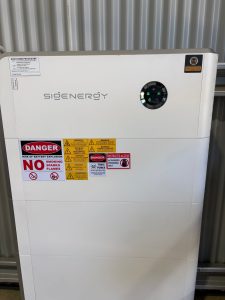
Why are South West WA homeowners adding batteries?
The South West is one of the sunniest regions in Australia, yet plenty of households with rooftop solar still face large evening bills. The reason is simple: they generate most of their power at midday, export the surplus for very little, then buy electricity back at full retail rates after sunset. A battery closes that gap by storing the daytime surplus for night use.
Towns like Busselton, Bunbury, Margaret River and Dunsborough get strong summer generation, which means more surplus to capture. In our installs across the region, the homes that benefit most are not the biggest generators, they’re the ones with the largest mismatch between when they make power and when they use it.
What’s actually driving the switch?
Four factors explain most of the demand we see across the South West.
Rising electricity costs
WA electricity prices keep rising. If you lean on the grid in the evenings, after your panels have stopped generating, you pay full retail for every unit. Stored solar replaces that draw with power you already paid for at midday.
Poor feed-in returns
Exporting surplus solar in WA earns very little. Synergy’s Distributed Energy Buyback Scheme (DEBS) pays 2c/kWh off-peak and 10c/kWh from 3pm to 9pm under Synergy’s DEBS for off-peak exports as of 2026, a fraction of what you pay to buy power back. A battery lets you use that surplus instead of selling it cheaply, lifting self-consumption from a typical 30 to 40% up to 80 to 90%.
Backup power
A battery can provide outage backup only when the system is configured for backup operation. Storm season, bushfire-related outages and grid instability are familiar in areas like Harvey, Collie and the hills around Donnybrook, where lines run long distances to scattered properties. Many modern battery systems can include blackout protection, but not all do. Confirm which essential circuits the battery will cover before you buy. For homes at the end of a rural feeder, that reliability often matters as much as the bill savings.
Future-proofing for time-of-use pricing
WA’s grid is shifting toward time-of-use tariffs, where power costs more during peak demand. A battery lets you avoid buying at peak rates by drawing on stored solar instead, so its value grows as those tariffs spread.
Is a solar battery worth it in WA? The numbers
From 1 May 2026, full federal STC support applies up to 14kWh of usable battery capacity, then tapers above that size. A quality home battery in Australia typically costs $8,000 to $15,000 installed before incentives, depending on capacity and brand. Here’s what changed the maths recently: The federal battery discount cuts eligible upfront costs by roughly 30%.
With that discount applied, payback in WA has moved well inside the old 7 to 12 year window for many homes. The exact figure depends on:
- Daytime export volume. The more surplus you currently send to the grid for 2.25c, the more a battery recovers.
- Evening consumption. Homes that use more power after sunset gain the most from storage.
- Pool, spa or EV. These lift evening demand sharply and improve the case for a larger battery.
- Rising tariffs. Each price rise increases what the battery saves you against a fixed upfront cost.
For a real figure rather than a range, Boots Energy Solutions can run a personalised assessment against your actual bills and solar data.
What size battery do you need?
Most South West households with a 6.6kW system and moderate evening usage land on a 10 to 13kWh battery. Too small drains early. Too large leaves paid capacity unused. Match the size to your evening load, not to the panels on the roof.
Three things set the right size:
- Occupants. More people means higher evening demand.
- Major loads. A pool, spa or EV can push you toward the upper end or beyond.
- Bill history. Your retailer can break your usage down by time of day, which is the data worth starting from.
When should you call an installer?
If you’re seriously weighing a battery, current advice is worth getting now, because incentives and pricing are moving. Battery installations are governed by Australian Standard AS/NZS 5139, and the wrong system or a poor install can cost you in safety, performance and warranty. A qualified local installer will size the system to your bills, handle the AS/NZS 5139 compliance, and set up the federal discount paperwork so you don’t leave money behind.
Conclusion
For South West homeowners with strong solar output, high evening rates and minimal feed-in returns, a battery now stacks up for most. The federal discount has pulled payback periods down, and the backup-power benefit carries real weight for rural and storm-prone properties.
The work is in the detail: size the battery to your actual evening load, confirm the current incentives, and use an installer who knows the local grid. Run those numbers against your own bills and you’ll know exactly where you stand rather than guessing from a national average.
To get a figure based on your home, book an obligation-free energy assessment with Boots Energy Solutions.
Frequently Asked Questions
Is a solar battery worth it in WA if I already have solar panels? In most cases, yes. If your system exports significant power to the grid at 2c/kWh off-peak and 10c/kWh from 3pm to 9pm under Synergy’s DEBS, a battery lets you use that energy yourself instead of selling it cheaply. The savings on evening bills typically outweigh the small export income you give up.
Are there government rebates for solar batteries in WA in 2026? Yes. The federal Cheaper Home Batteries Program, which began in mid-2025, discounts the upfront cost of an eligible battery by roughly 30% through expanded Small-scale Technology Certificates, and it applies nationally including WA. DEBS is a buyback scheme for eligible exported energy, not a battery rebate. Battery rebates come from the federal Cheaper Home Batteries Program and WA’s Residential Battery Scheme.
How long does a home battery last in South West WA conditions? Most quality lithium systems carry a 10-year warranty and are built to last 15 years or more. The warm South West climate can affect performance slightly, so proper installation with adequate ventilation matters, another reason to use a qualified local installer.
Can a solar battery keep my home running during a power outage? Many modern systems include blackout protection. During a grid outage they isolate your home automatically and power essential circuits from stored solar. Not all batteries offer this, so confirm backup capability when comparing products.