
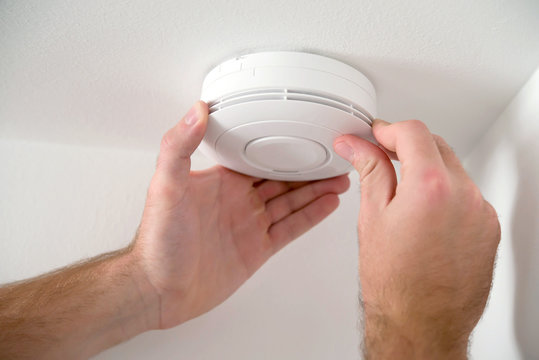
Picture this: it’s 2am, you’re fast asleep, and a faulty heater starts smoldering in the lounge room. The only thing standing between you and disaster is a little plastic disc on your ceiling. That’s the whole job of a smoke alarm, and honestly, I reckon we don’t give it enough credit.
Out here in Capel, where weatherboard cottages sit next to brand-new builds, fire risk doesn’t discriminate based on postcode or property value. What does make a difference, though, is whether your smoke alarms are actually installed properly.
I’ve seen it time and again: a homeowner buys a perfectly good smoke alarm, sticks it up near the kitchen, and assumes the job’s done. But a smoke alarm installation isn’t a “screw it to the nearest flat surface” task.
It’s a genuine safety system that needs the right alarm type, the right spot, and the right wiring setup to actually do its job when it counts. Get the smoke alarm installation wrong, even slightly, and you’ve essentially got an expensive ceiling decoration rather than a working early-warning system.
This is where I’d nudge you toward getting the experts involved rather than winging it yourself. Engaging qualified, professionals Smoke alarm installer services means your alarms are interconnected correctly, mains-powered where required, and positioned exactly where smoke travels first. It’s not about being precious it’s about not gambling with your family’s safety over a $20 hardware store special and a wonky ladder.
Why Proper Placement Beats a “Good Enough” Approach
Here’s something a lot of folks don’t realize: a smoke alarm in the wrong spot can be almost as risky as having no alarm at all. Smoke rises and pools in dead air corners, near light fittings, or right at the apex of those gorgeous cathedral ceilings so many Capel homes have. If your alarm sits in one of those “dead zones,” it might not trigger until the fire’s already well established.
The general rule of thumb for placement includes:
- Hallways leading to bedrooms – smoke needs a clear path to reach the sensor.
- At least 300mm from where walls meet ceilings – avoiding those dead air pockets.
- Away from kitchens and bathrooms – nobody wants a 2am false alarm because you made toast.
- On every level of the home, even stories without bedrooms, like a garage or laundry.
If you’re renovating, building new, or simply unsure whether your current setup ticks these boxes, it’s well worth getting a professional opinion before fire season creeps up again.
What Western Australia’s Smoke Alarm Laws Actually Require
This is the bit people glaze over, but trust me, it matters especially if you’re selling, renting, or hiring out a property. Western Australian law requires homes to have compliant smoke alarms, and the requirements depend on when your home was built or last sold.
You can read the full breakdown of current requirements straight from the Department of Fire and Emergency Services, which lays out exactly what’s expected for households across the state.
In short, here’s how the rules generally shake out:
| Trigger Date | Requirement |
| Built after 1 July 1997 | Mains-powered smoke alarms mandatory |
| Sold or transferred after 1 October 2009 | Compliant alarms required before settlement |
| Rented or hired after 1 October 2009 | Landlords must install compliant alarms |
| Built after 1 May 2015 | Alarms must be interconnected |
If any of those dates ring a bell for your place, it’s worth double-checking your compliance status sooner rather than later. Nobody wants a nasty surprise mid-sale.
Photoelectric vs Ionization: Which One Should You Choose?
Quick aside, because this trips a lot of people up. Not all smoke alarms are created equal. Photoelectric alarms are brilliant at picking up smoldering, slow-building fires (think an electrical fault behind a wall), while ionization alarms react faster to flaming fires but are notoriously twitchy around cooking smoke. Fire authorities across Australia generally lean towards recommending photoelectric units for residential homes, simply because smoldering fires are statistically more common in households.
If you’re upgrading old alarms, this is your sign to check what’s currently fitted. Plenty of homes still have decade-old ionization alarms quietly ticking away, blissfully unaware they’ve outlived their usefulness.
Hardwired, Battery, or Wireless? Weighing Your Options
I get asked this constantly, so let’s break it down simply.
- Hardwired (mains-powered) alarms connect directly to your home’s electrical system, often with a battery backup. These are mandatory for most modern Capel homes and offer the most reliable, set-and-forget protection.
- Sealed 10-year battery alarms suit older homes where running cables through the ceiling isn’t practical. No more fumbling for AA batteries every six months either.
- Wireless interconnected alarms use radio signals so that if one alarm detects smoke, they all sound together brilliant for sprawling single-story homes or tricky ceiling layouts where wiring is a hassle.
There’s no single “best” option for every home. It genuinely comes down to your property’s age, layout, and how much disruption you’re happy with during installation. Whichever route you choose, a thoughtful smoke alarm installation plan, mapped out before anyone climbs a ladder, saves you from awkward retrofits later.
The Real Cost of Cutting Corners
Look, I get it a trade call-out fee feels like an unnecessary expense when the alarm “looks fine” sitting up there. But faulty installation is sneaky. Loose wiring, alarms mounted too close to fans, or alarms that simply aren’t interconnected can all delay that critical early warning.
And early warning is everything; fire authorities consistently point out that you may have as little as two to three minutes to escape once a house fire takes hold.
Compare that potential cost against a professional installation, and suddenly that call-out fee looks like one of the smartest investments you’ll make all year.
A Few Maintenance Habits Worth Adopting
Even the best smoke alarm installation won’t help if you forget the alarm exists once it’s up. Make these a habit:
- Test alarms monthly using the test button.
- Vacuum dust and cobwebs from the casing every few months.
- Replace backup batteries annually (unless you’ve got sealed 10-year units).
- Swap alarms entirely once they hit the 10-year mark, regardless of how “fine” they seem.
It takes five minutes, and it genuinely could be the difference between a close call and a tragedy.
Conclusion
Smoke alarms aren’t glamorous. Nobody’s hanging one on the wall as a design statement. But when it comes to protecting your home and the people in it, a properly planned, correctly fitted, fully compliant alarm system is one of the cheapest forms of insurance you’ll ever buy. Whether you’re updating an older Capel property, building new, or simply not 100% sure your current setup is up to scratch, now’s the time to sort it.
Think of it this way: you wouldn’t drive a car without checking the brakes work, so why would you live in a house without confirming the smoke alarm installation actually does what it promises? A few hours of a trade’s time today could genuinely be the difference between a minor scare and a devastating loss further down the track.
Ready to make sure your home’s protected the right way? Get in touch with a licensed local electrician today, have your current alarms assessed, and sleep a little easier knowing your smoke alarm installation is doing exactly what it’s meant to.
FAQ
- How many smoke alarms does my Capel home actually need?
It depends on your floor plan, but generally you’ll need one in every hallway leading to bedrooms, one on every level of the home (even those without bedrooms), and additional units in larger or multi-wing layouts.
- Can I install a smoke alarm myself, or do I need an electrician?
Battery-powered units can technically be self-installed, but mains-powered (hardwired) alarms legally require a licensed electrician. Even with battery units, professional installation ensures correct placement and interconnection.
- How often should I replace my smoke alarms?
Every 10 years, regardless of how well they seem to be working. Sensor sensitivity degrades over time, even if the alarm still beeps during testing.
- What happens if my smoke alarms aren’t compliant when I sell my home?
You may face delays at settlement or be required to bring alarms up to current standards before the sale proceeds, so it’s worth checking compliance well in advance.